
JUNE 30TH AUCTION RESULTS
WE DID IT, FOLKS!!
The final results are in, and we’re thrilled to announce that the Arc of Appalachia is now the proud steward of Tracts 4, 5, 6, 7, and 8! That means nearly 2,000 acres of the New River Wilderness are now permanently protected!!
We are nothing short of amazed and deeply grateful for the overwhelming support that made this campaign a reality. A huge thank you to each person who helped the Arc along the way.
This win for nature belongs to all of us. THANK YOU!
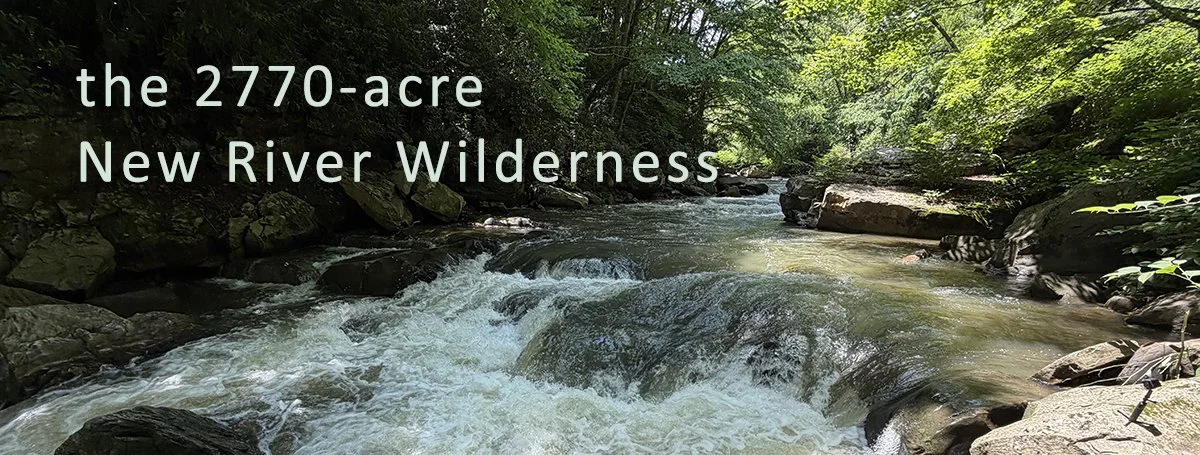
is selling in 8 tracts at PUBLIC AUCTION in Beckley, WV on JUNE 30, 2026
New River Wilderness directly borders the New River Gorge National Park in West Virginia
The Arc of Appalachia is partnering with the West Virginia Land Trust, Green Forests Work, and Beckley Area Foundation to ensure that we are standing at that auction, fully prepared to bid.
It will take the passion of thousands of people to get us there.
What would you give to save this kind of beauty on earth?
Friends, this is a conservation emergency. We are calling for pledges to buy and save as many of these eight parcels as we can afford. All of them are worth protecting. We won’t call in the pledges unless we win.
Winning, of course, is the plan.
SCROLL DOWN for videos & photo galleries.
SCROLL FURTHER YET for ongoing progress reports, the national significance of the region, parcel map, who we are, how to contact us with questions, and auction details.
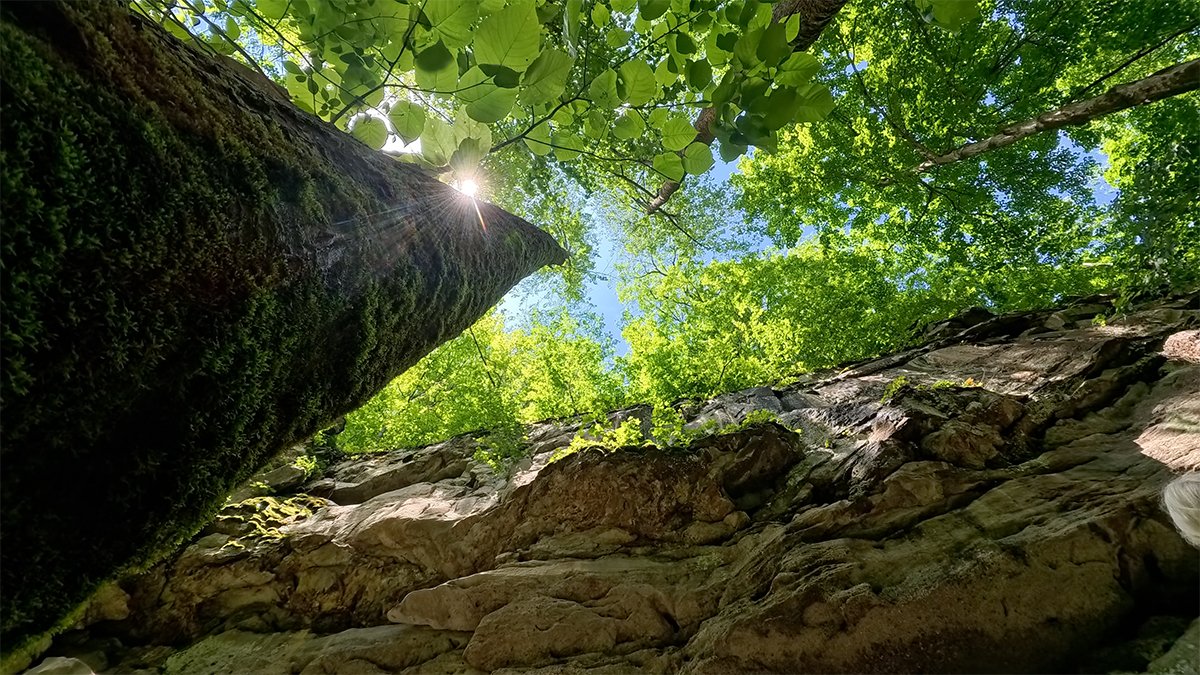
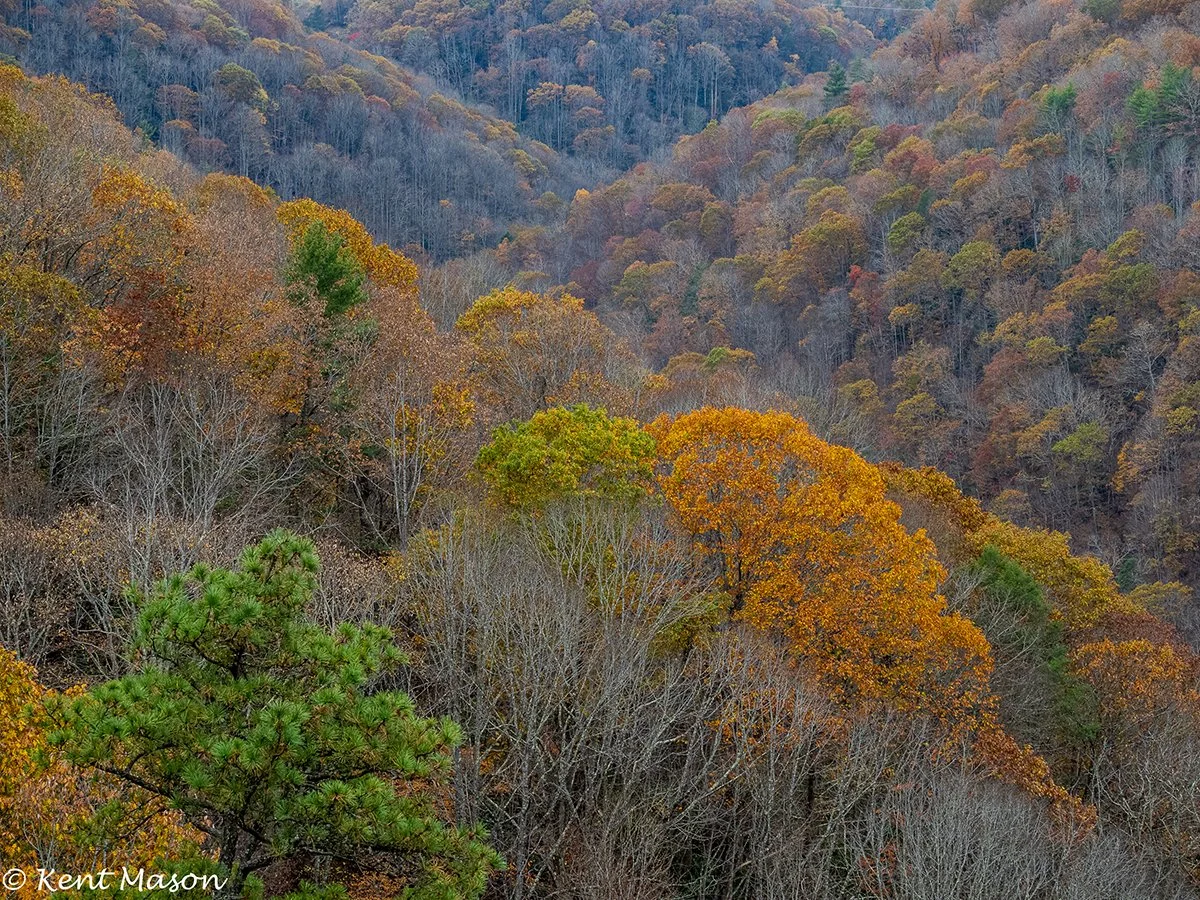
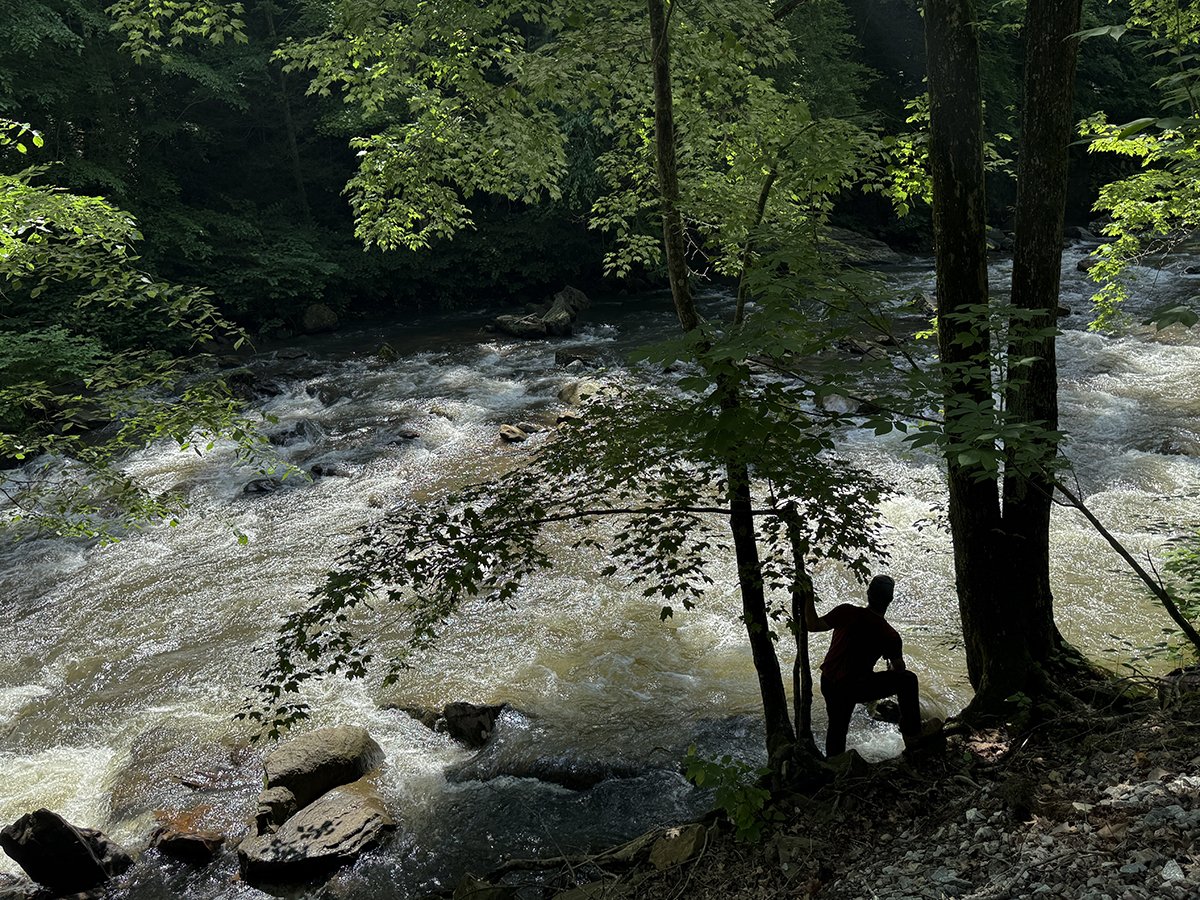
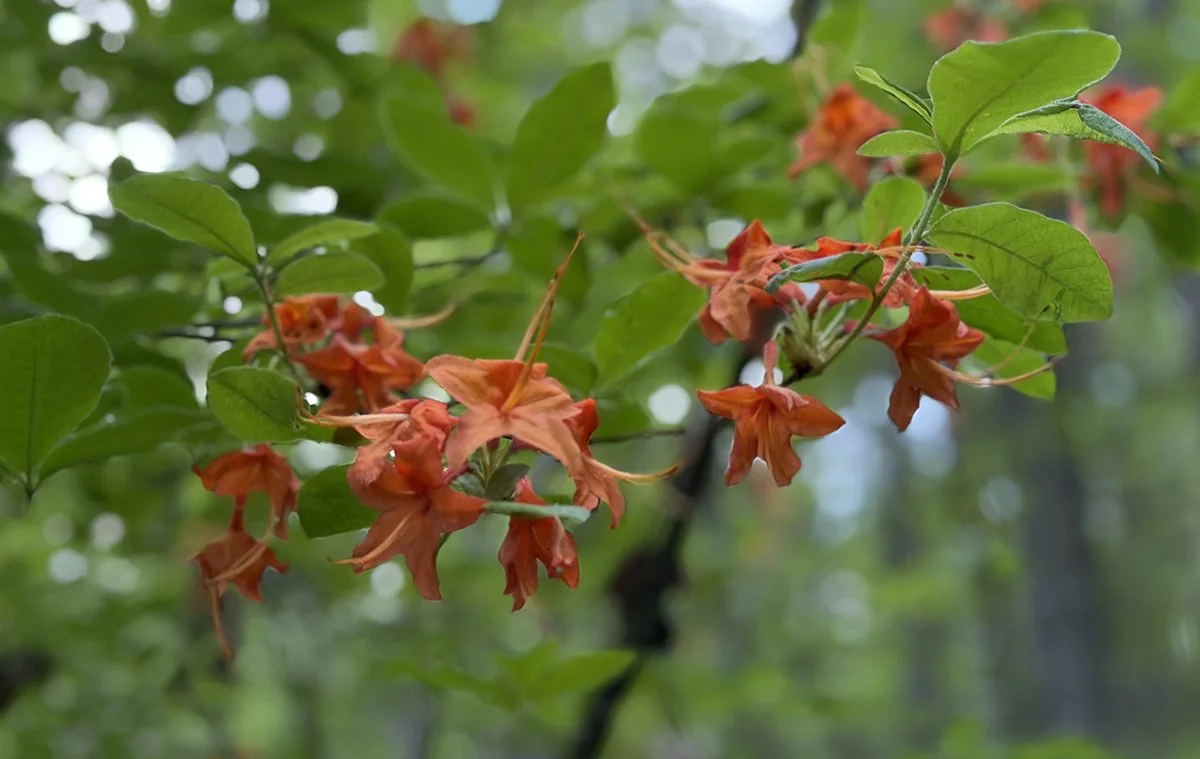
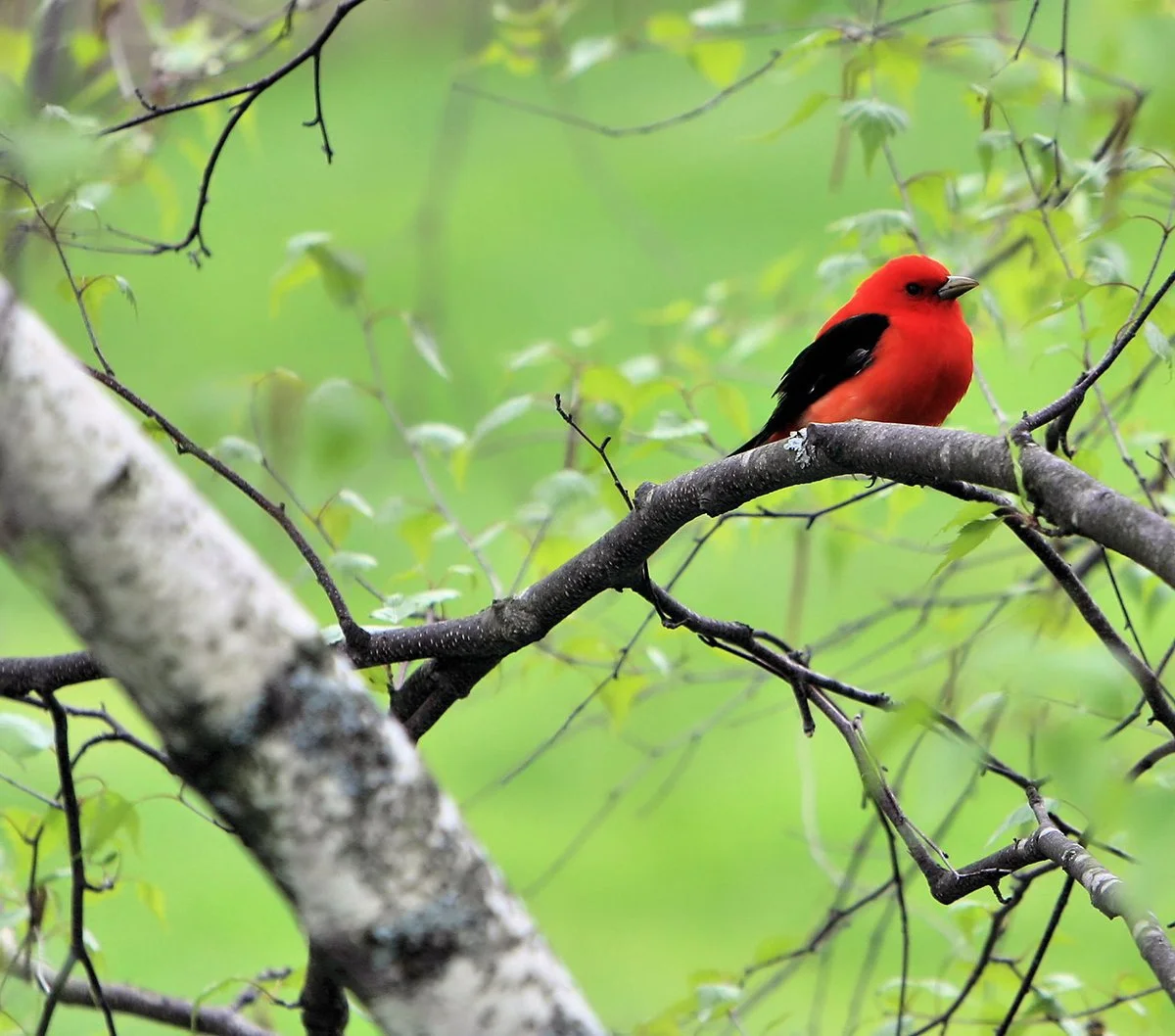
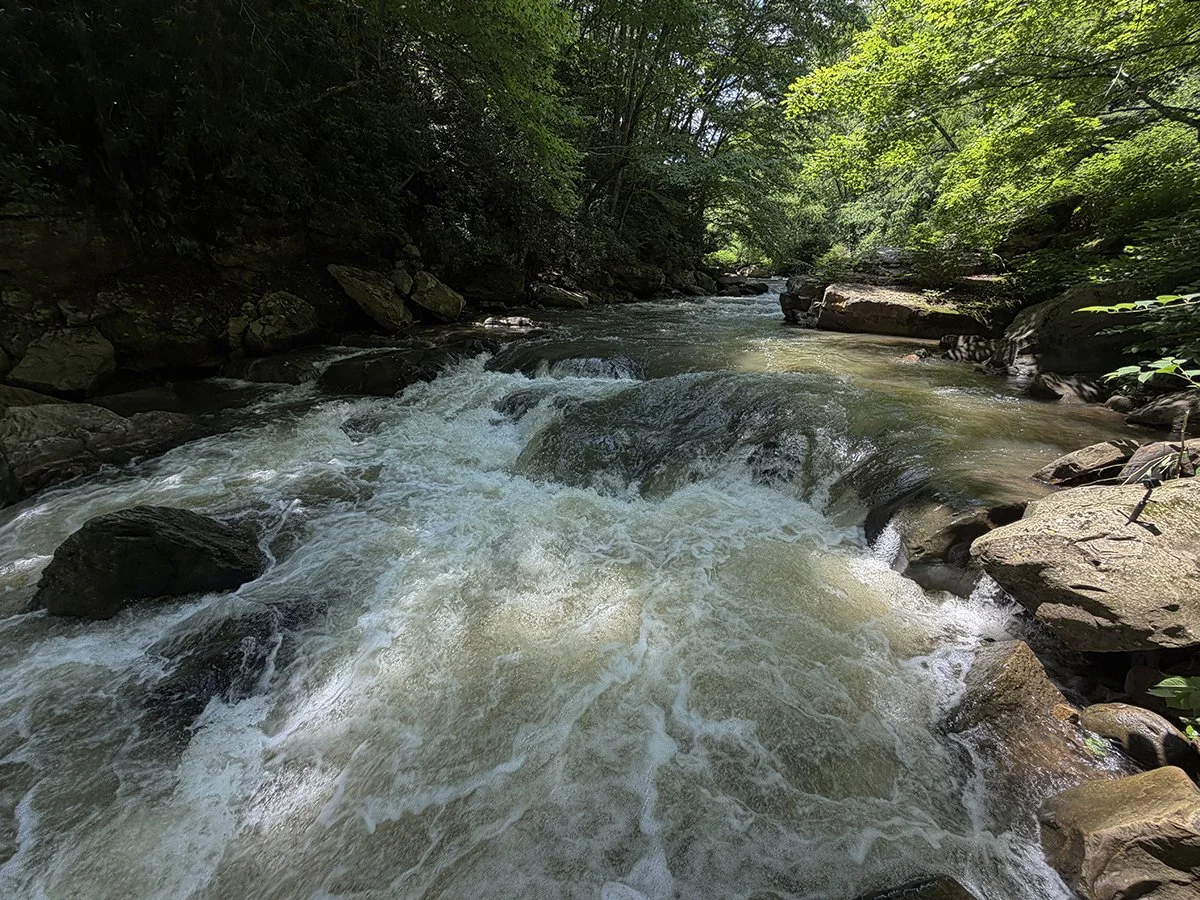
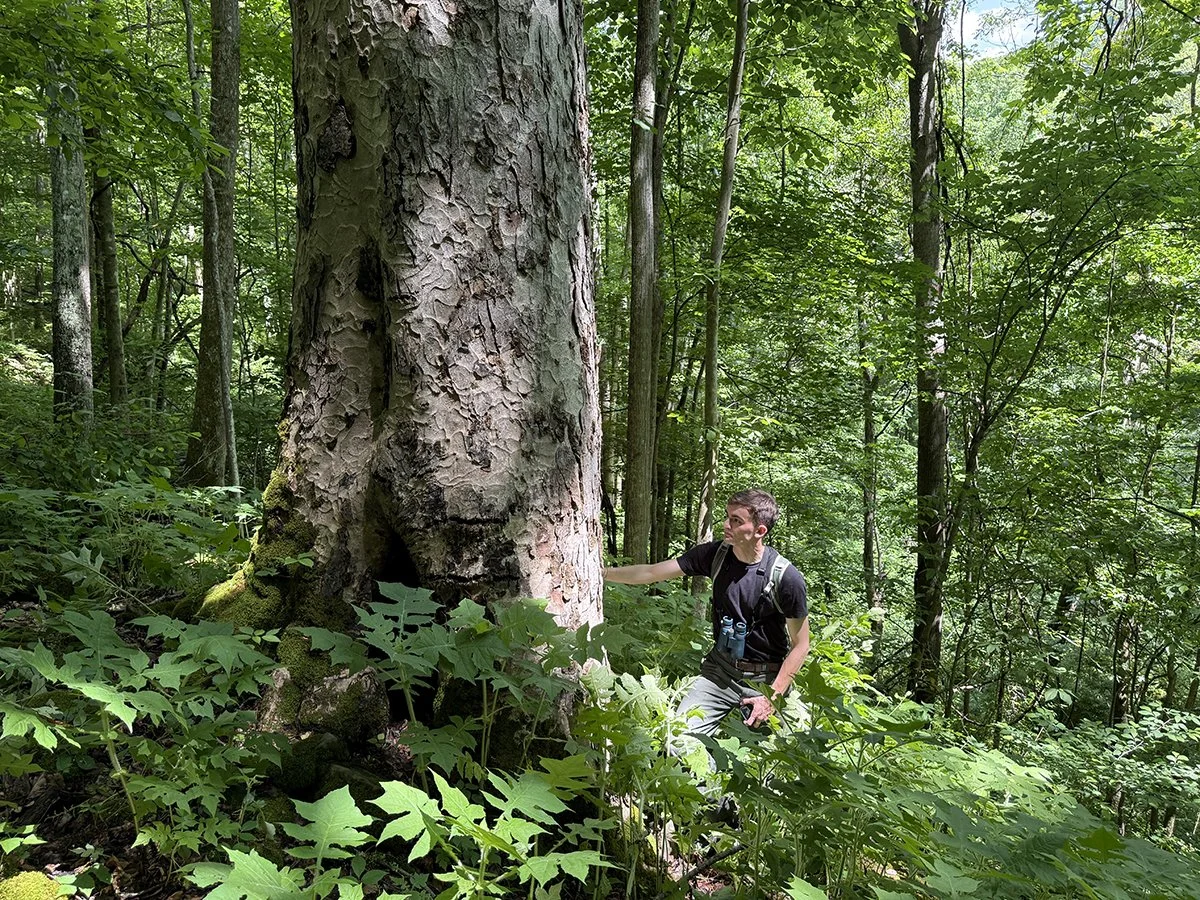
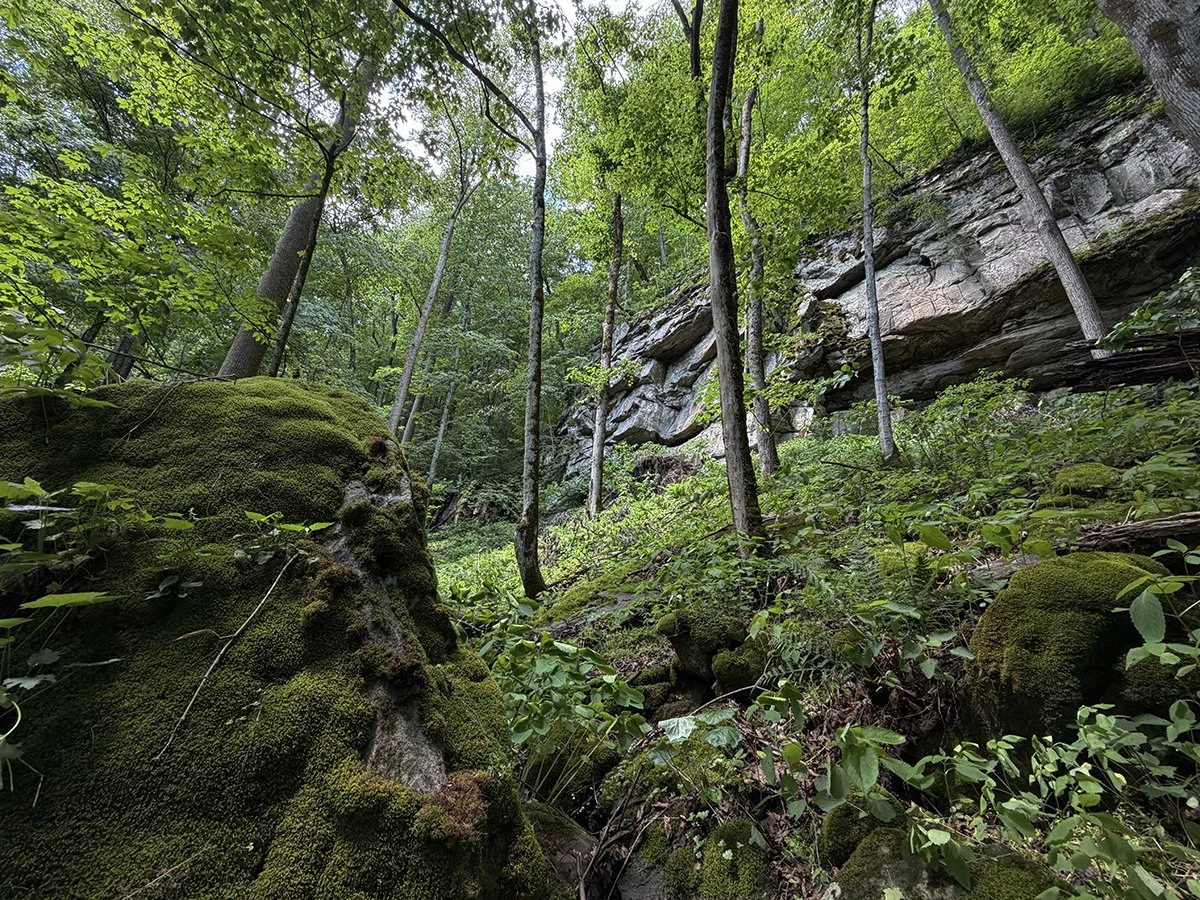
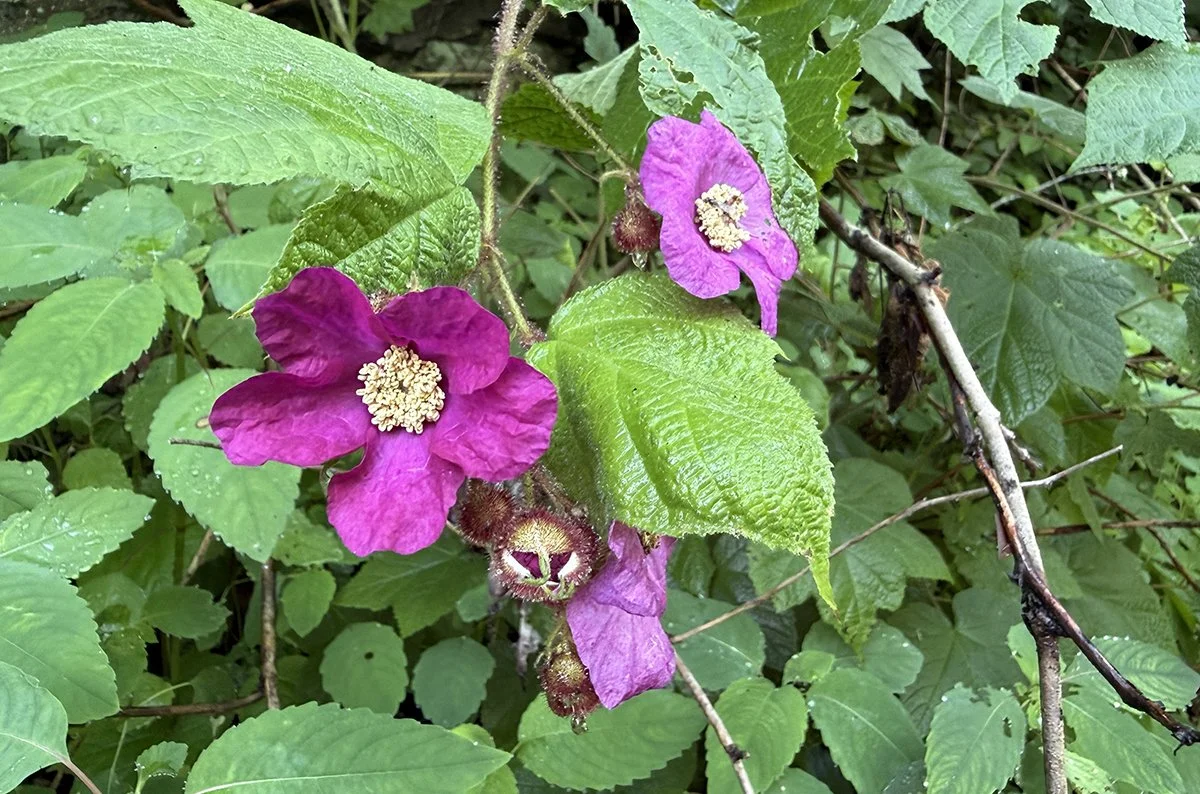
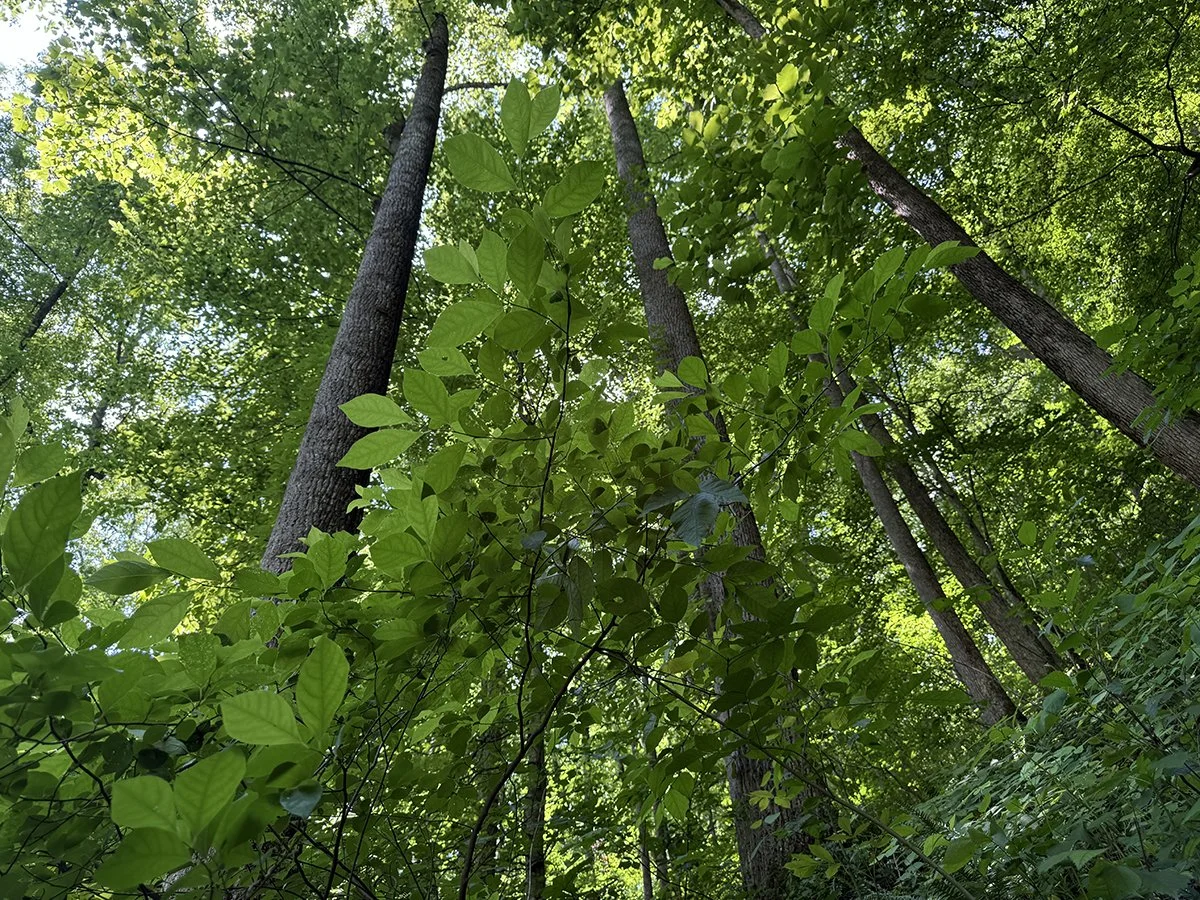
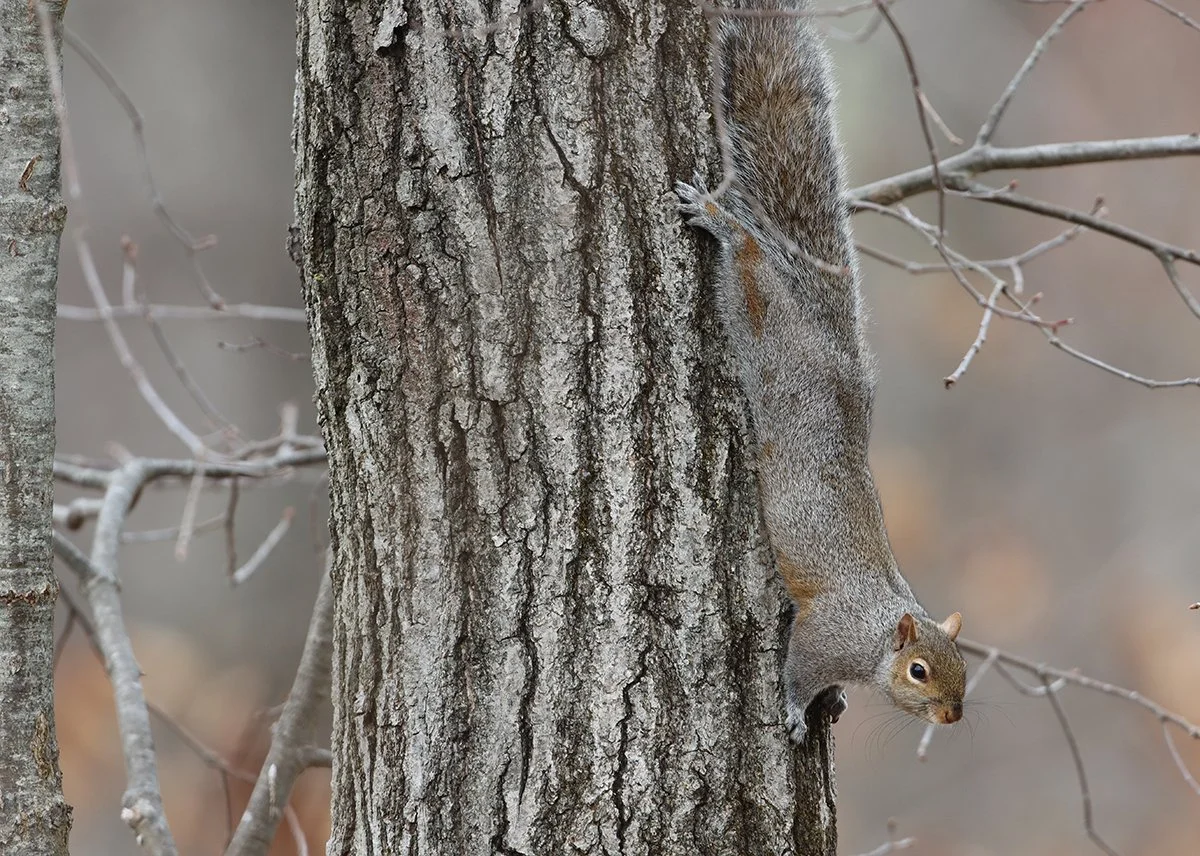
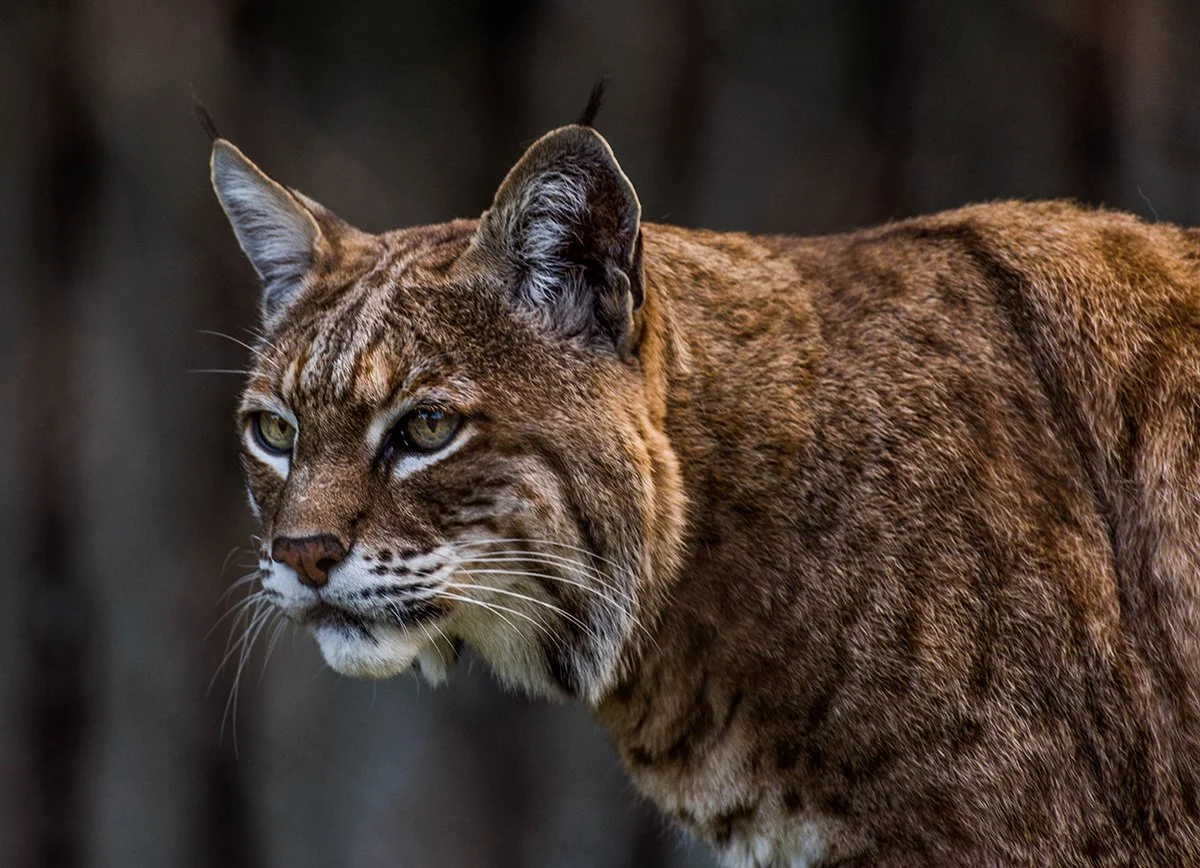
Major features of New River Wilderness include the following:
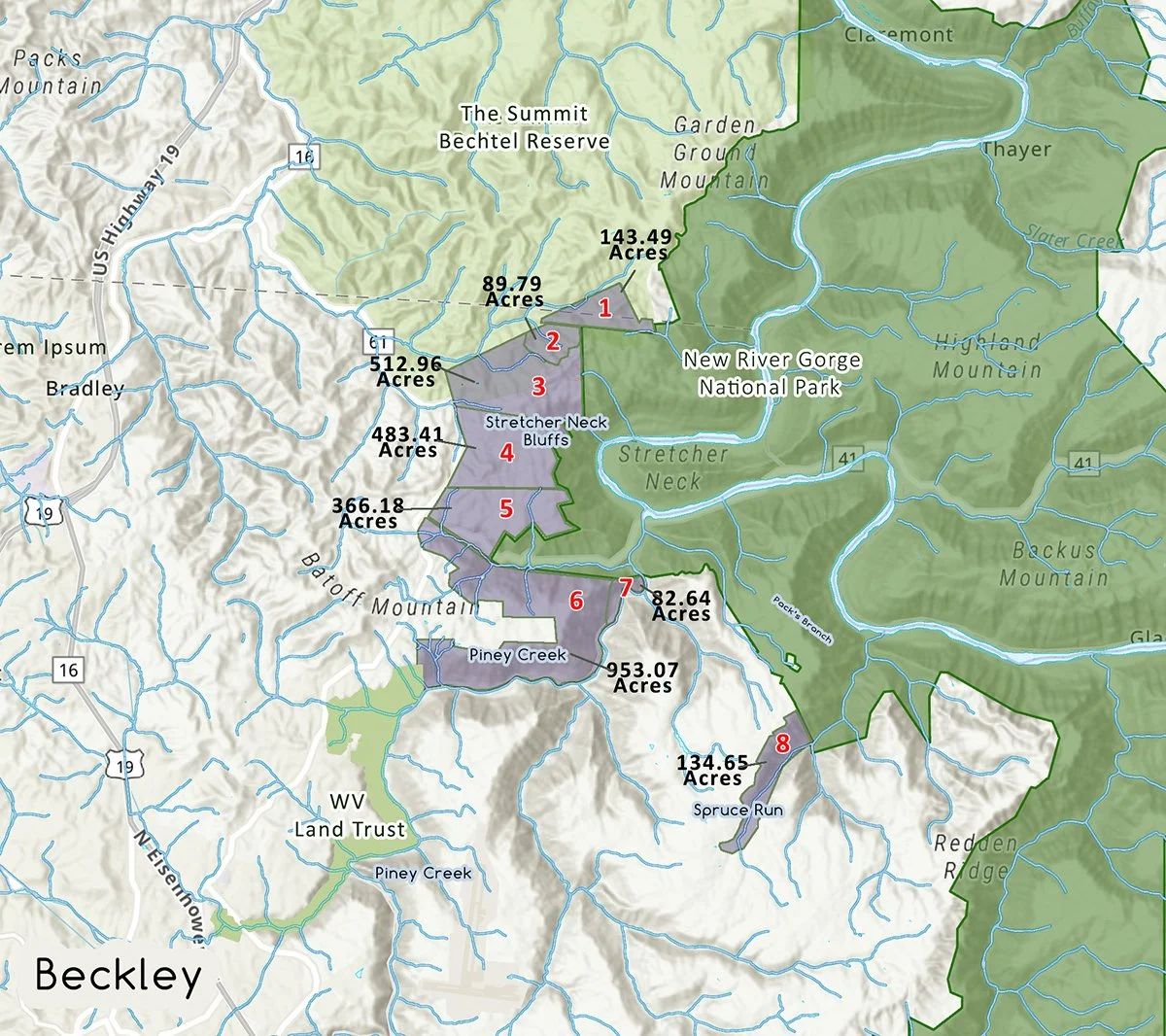
Piney Creek Gorge is a roaring white-water trout stream that races through a 1000-ft deep, nearly vertical-walled canyon as it sinews its way to its confluence with the New River inside the New River Gorge National Park - our country’s newest National Park (2020). The west bank of this major ravine is for sale, represented as parcels 6 & 7.
Piney Creek Connector Trail! The Piney Creek parcels are of exceptional interest to the citizens of Beckley as well as to outdoor recreationists all across the East because, if acquired, they would connect nearby Beckley with the National Park - not only by land - but via a twelve-mile-long public hiking and mountain bike trail. West Virginia Land Trust already owns six miles of the west bank of the Piney right outside the city, and this section of the trail is already nearly completed. If Parcels 6 & 7 are successfully purchased at auction, they would fill in the missing four-mile gap that exists between WV Land Trust and the National Park. And then the longer trail is born! This connector trail from Beckley to the Natioanl Park would be a dream come true for local trail enthusiasts who have yearned for such a route for many years!
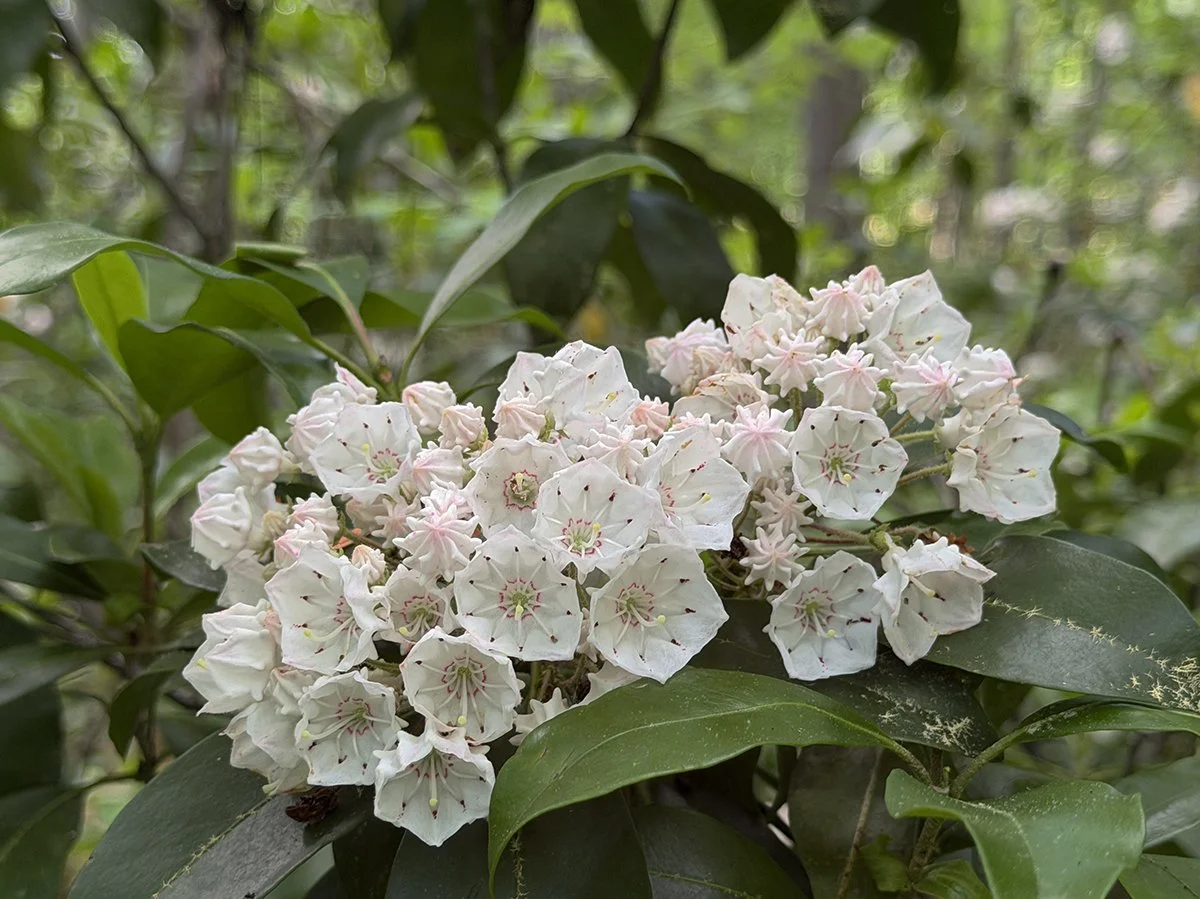
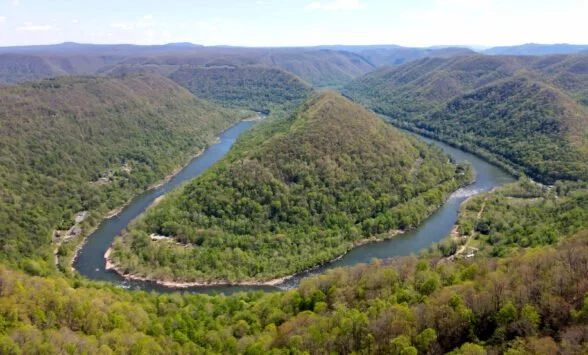
Stretcher Neck Bluffs is represented by Parcels 1-5. Here we find the finest forests in the auction listings, forests that include biologically-rich wetlands, swamp forests, and masses of rhododendrons and mountain laurel. Several high-elevation overlooks offer dramatic views of the oxbow of Stretcher Neck in the New River, inside the Park (see photo in Gallery above). Parcels 1-5 have much less dramatic relief than 6-8, and are consequently more in danger of being developed. Some of our colleagues think these are the most important parcels to save for this reason.
Spruce Run is a sparkling, rock-walled mountain stream that drains into the National Park as part of Mill Creek, a watershed completely separate from the Piney. This exceptionally handsome tributary is filled with hemlocks and rhododendrons, and in many ways can be considered the most remote and likely the most biologically significant of all the auction parcels. The rock formations here are stunning.
Adjacent conservation lands to the New River Wilderness include:
The New River Wilderness fits like a missing puzzle piece to connect three existing conservation properties. Scouting America’s prestigious 14,000-acre Summit Bectel Reserve lies to the north, and the 614-acre Piney Creek Preserve owned by the West Virginia Land Trust extends to the south. The 72,800-acre New River Gorge National Park sits to the east. Auction parcels 1-8 are shown on the map below.
Day of Campaign Inception: 6/6/2026
Date of Current Report: 6/30/2026
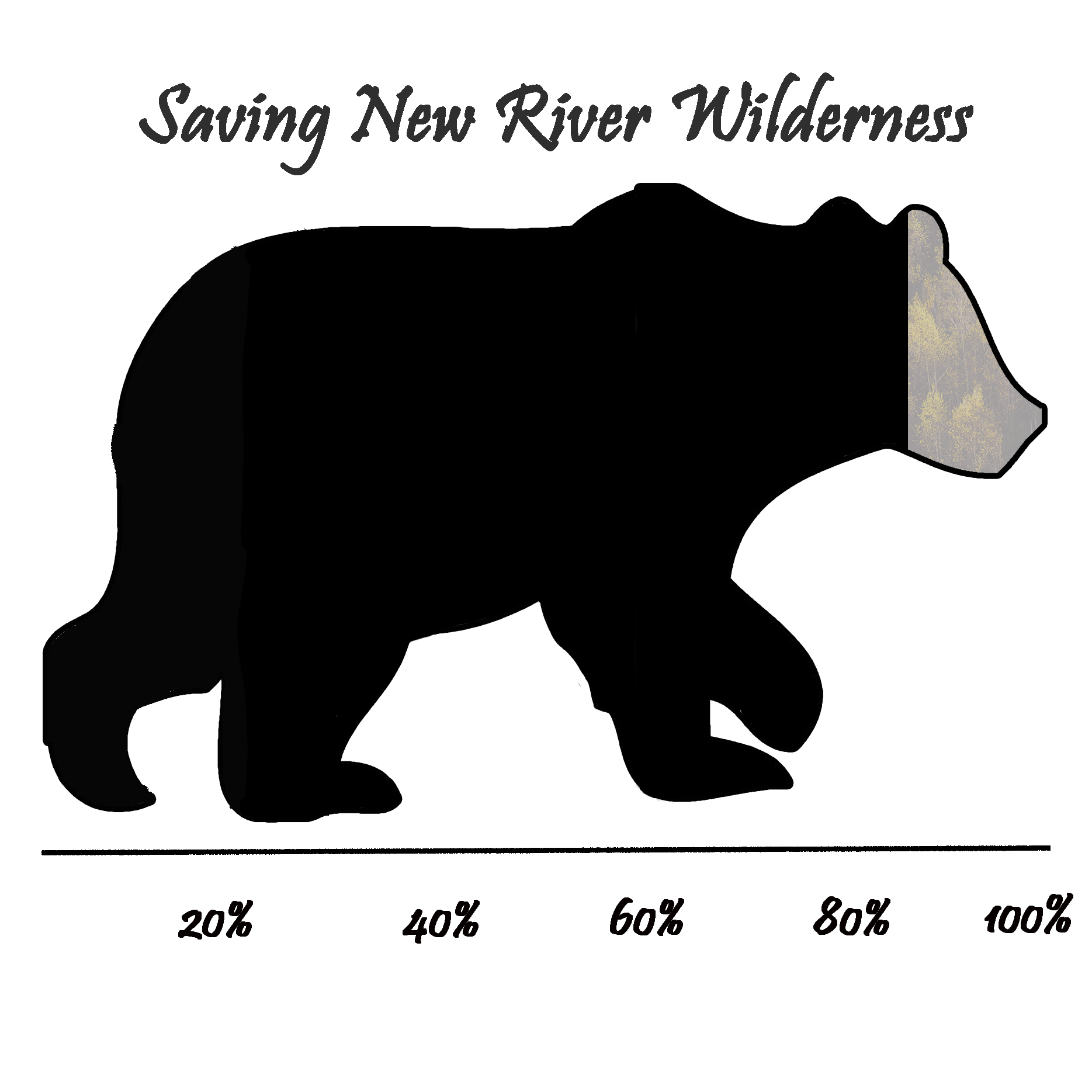
Percent of Goal Completed: 87%
Number of Parcels: 8 - Number of Acres: 2770
Countdown to Auction: The Results are in!
Number of Pledges/Donors: 722
Q & A
Attention Raleigh County, WV Residents!! We have a 1:1 Challenge Grant for you!!
If you make a pledge to this cause with a Raleigh County address, YOUR PLEDGE WILL BE MATCHED 1:1 BY AN ANONYMOUS DONOR!! Offer is limited to a ceiling of $5000 per donor.
What more can I do to help?
Your help is pivotal. The hardest challenge of any campaign at this scale is getting the word out to enough people to make a difference. But everyone has a network, small or large, and we hope you’ll use it. Please pass on the news of this campaign to your friends, family, and larger circle of acquaintances using email, social media, and word of mouth. If you know a podcaster or YouTube social influencer, urge them to contact us. Your personal stamp of endorsement will be of great assistance. If you have any other creative ideas, write us! Or just jump in and do them! Here at the Arc, we celebrate bold initiatives.
What are the major hurdles of this campaign, beside raising the necessary funds?
Auctions are challenging for nonprofits because the results are truly uncertain and unpredictable. The thrill of the competition sometimes prods people into bidding way over what would normally be a property’s listing price, and a prudent nonprofit is obligated to pull out. One of the biggest challenges of this auction is that we had to begin raising pledges before we could have an independently conducted title search in hand, and before the details of the auction’s requirements were yet fully announced and published. These pieces of information are critical in a state like West Virginia, where subsurface rights are usually severed from surface rights before the sale. As this information becomes fully revealed, if we discover that it is unlikely that we can securely manage the New River Wilderness parcels as nature preserves in perpetuity, we will step back from the auction stand rather than use our donors’ dollars irresponsibly. Naturally, if this happens, we will let all of our donors and pledgers know asap.
How much money do you intend to try to raise?
We’ve hiked all eight of the properties and have conservatively forecasted their market values. In order to preserve our bidding strength, we can not divulge our bidding ceilings nor our bidding priorities at this time. We can share, however, that we are interested in all 8 tracts, so if one tract we are pursuing goes higher than we think is reasonable, we can shift to other tracts. Even if we only raised enough pledges to buy one tract, we would still be standing at the auction block. Fortunately, we well beyond that point.
Is the natural history of the New River Gorge regionally significant?
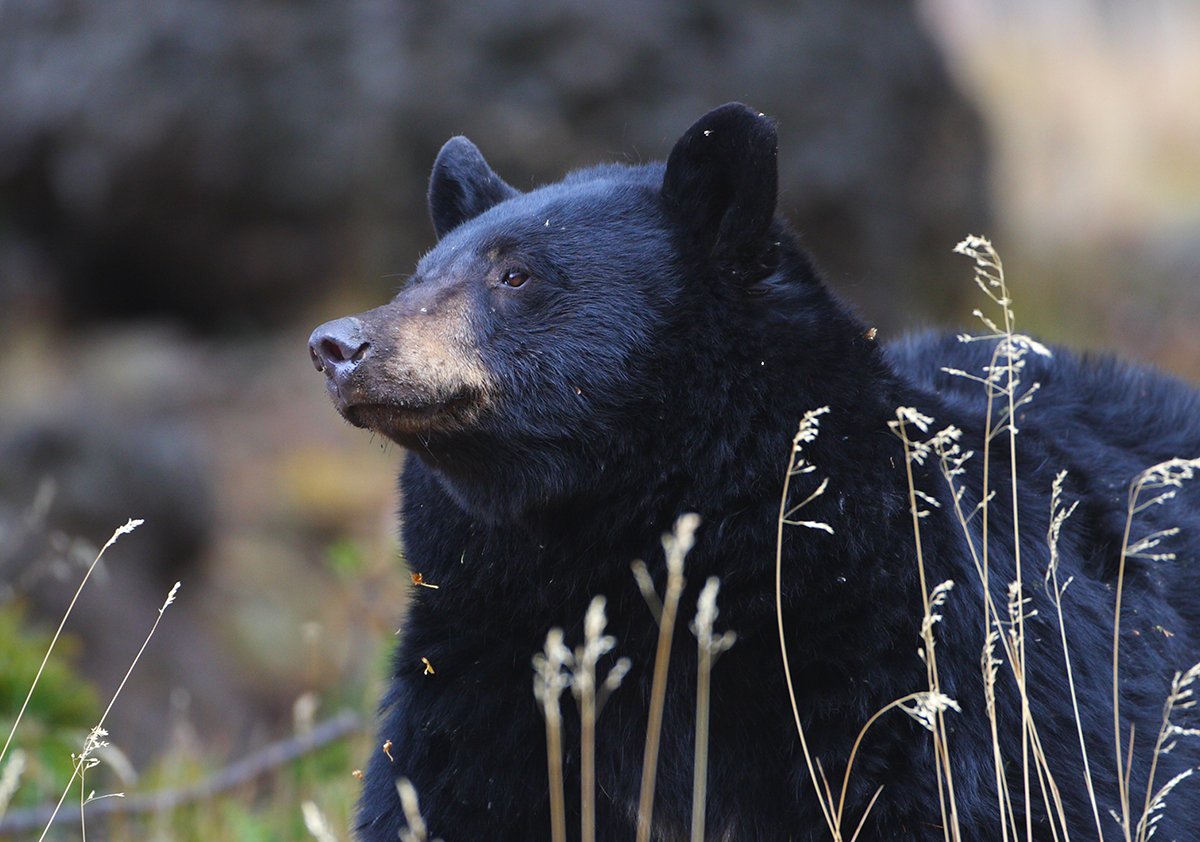
Yes! The New River Gorge region protects a globally significant, highly biodiverse forest ecosystem and some of the finest remaining refuges for plant and animal life in all of the Eastern United States. Bears and timber rattlesnakes, both apex predators and true icons of wilderness, inhabit these lands in abundance. Their presence in this region indicates a stable and complete ecosystem that provides them enough room to roam, the ability to raise their young, and supports every level of the food chain below them. Over 1300 species of plants, 65 species of mammals, and 48 species of amphibians, including several species that are endangered or rare, inhabit this sprawling wilderness. Although the Piney Creek Gorge region, parcels 6 & 7 of the auction, has been relatively under-surveyed to date because they lie outside the National Park’s boundaries, there have, nevertheless, been over 20 species of rare salamanders, bats, vascular plants, and fireflies already documented. If any of the 8 parcels are successfully acquired, we are eager to continue the studies!
What other organizations is the Arc partnering with?
The Arc of Appalachia is in tight partnership for this cause with:
Piney Creek Watershed Association (with a special thanks for their boots-on-the ground support!)
What other organizations are supporting this cause?
Auction deadlines are challenging for most nonprofits, and even partnering nonprofits often requires more time than an auction deadline permits. Nevertheless, the Arc of Appalachia is in strategic conversation with many of the major and helpful conservation nonprofits in the larger region, including:
Several other nonprofits have offered their formal endorsement, including:
Who is the Arc of Appalachia?
The Arc of Appalachia is a land conservancy and education nonprofit that has been operating in southern Appalachian Ohio for the last 30 years. The Arc currently manages 38 nature preserves and nearly 100 miles of public hiking trails leading to stunning destinations, most of them 2-3 mile loops that are specially designed for family engagement. We also support a vigorous education program that promotes nature literacy. Our offerings include annual large events, such as Wildflower Pilgrimage and Mothapalooza. We teach in-depth adult courses that are collectively called the Appalachian Forest School, and we offer a series of children’s programs called “Nature is Neat.” The Appalachian Forest Museum at our headquarters serves as our primary visitor center and education hub. Two years ago, the Arc crossed the Ohio River and extended our wildlands preservation work in the incredibly dense forests of West Virginia. In 2024, we bought the 1200-acre Wild Rock Canyonnear Smoot, WV. In 2025, we began campaigning to buy the 1336-acre Five Miles on the Gauley near Craigsville, WV, the funding for which is now 71% complete. And here we are today — trying to save 2770 acres near the National Park. We’ve had LOTS of help to get where we stand today. We have been especially humbled by the welcoming support and good counsel received from our conservation colleagues in WV. Today, the Arc stewards 38 preserves and 15, 677 acres of natural areas. Check out our home page and begin your exploration of the Arc.
Why doesn’t the National Park Service just jump in and buy these lands?
They would love to see these properties become part of the Park, but they cannot buy them. Every National Park has a federally-legislated boundary within which they can buy land, and only if they are appropriated the funds to do so. The New River Wilderness lies outside the Park’s approved boundaries, and it would take an act of Congress to change those boundaries. It would also take an act of Congress to fund their purchase.
What is the overall condition of the forest ecosystems?
Parcels 1-8 all lie in a significantly high biodiversity region of Appalachia. However, traditional land management operations in WV manage trees as a forest commodity. Timber harvests throughout WV (and Ohio, too, for that matter) are frequent and routine, usually on 40-year rotations. The New River Wilderness parcels are no exception. The last timber harvests occurred roughly 10 to 15 years ago on most of the tracts. Forests can usually recover their native community complexity after a harvest, so long as the canopy has not been opened up too much and the soil below the canopy too disturbed. Both of the latter conditions permit the inundation of hordes of non-native invasive plants that become permanent residents, destroying the forest floor’s naturally high biodiversity of flora and fauna.. Clear-cutting does much more damage to a forest ecosystem than do select-cuts because of the amount of sunlight pouring into the forest, and the degree of soil disruption and compaction from heavy equipment. Fortunately, most of the forests in the New River Wilderness have been selectively cut in the past, not clear-cut. The average age of the trees on the New River Wilderness tracts are 20-3o years old, with a scattering of older trees reaching 50 years of age. We see plenty of evidence of native shrubs and wildflowers in the understory, which is essential for full forest ecosystem recovery. Our dream is to give the forests of the New River Wilderness the rare opportunity to age into fully mature woodlands, which is a forest’s natural evolution in time, when not disturbed.
What if you raise more in pledges than you need to cover your winning bids? What if you are short?
If that happens, when we call in our pledges, we will notify all donors that they have the choice of either lowering their gift by a specified amount or authorizing their overage to either go into our Stewardship Forever Fund or toward another Arc acquisition in WV. In addition to the ongoing campaign for Five Miles on the Gauley, we are currently working on four new land projects in various stages of certainty and completion! The Stewardship Forever Fund is an endowment fund that supports the Arc’s sizeable expenses related to land management. if we are short on auction day, and only a little bit short, we have donors willing to loan us low-interest funds to bridge the gap. If so, then fund-raising will continue after the auction.
Will the New River Wilderness be open to scientific research?
Absolutely. It is our passion to facilitate the assembly plant and animal inventories on any lands we are fortunate enough to acquire. If we are successful at the auction for any one of the eight parcels, we will be inviting naturalists, geologists, and field biologists from Ohio and West Virginia to conduct research in their respective realms of expertise.
Are you accepting donations for the auction?
We asked for pledges because we can’t be certain about the exact outcome of the auction. However, if you wish tomake a donation, we have LOTS of active land projects needing funding to which we can apply your donation in the unlikely scenario we walk away from the auction empty-handed. More projects will be added on as the season progresses. You could pick a favorite from among them, or tell us to apply your donation to wherever it is needed the most. That said, we don’t intend to lose on auction day - not unless the sale prices go above market value.
Who do I contact with my questions?
We would be honored to connect. Write us at arcpreserveinfo@gmail.com, or call at 937-365-1935. Our address is: Arc of Appalachia, 7660 Cave Road, Bainbridge, OH 45612