
Winter Tree Identification
Mastering the Identification of Eastern Deciduous Trees
November 12th - 15th, 2026
Held at the Highlands Nature Sanctuary Region & the Appalachian Forest Museum
$375/person
This program is limited to a maximum of 15 registrants to ensure personal instruction
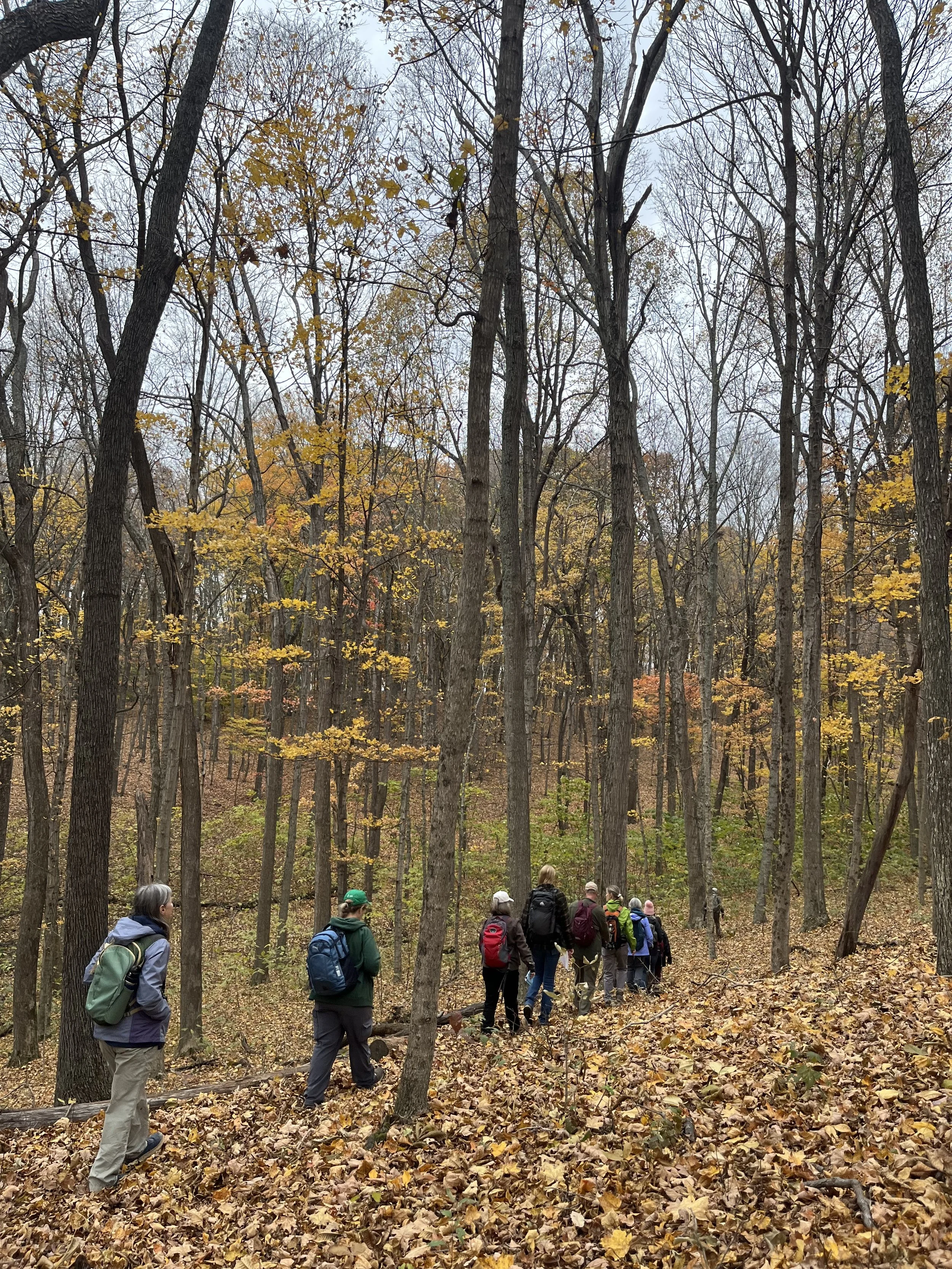
Join us for this field-oriented weekend across the Highlands Nature Sanctuary, where registrants will learn the discipline of identifying our native eastern deciduous hardwood trees in their inconspicuous winter form. This course offers immersive, hands-on instruction of tree recognition through twigs, buds, bark, fruit, shape/form, and habitat.
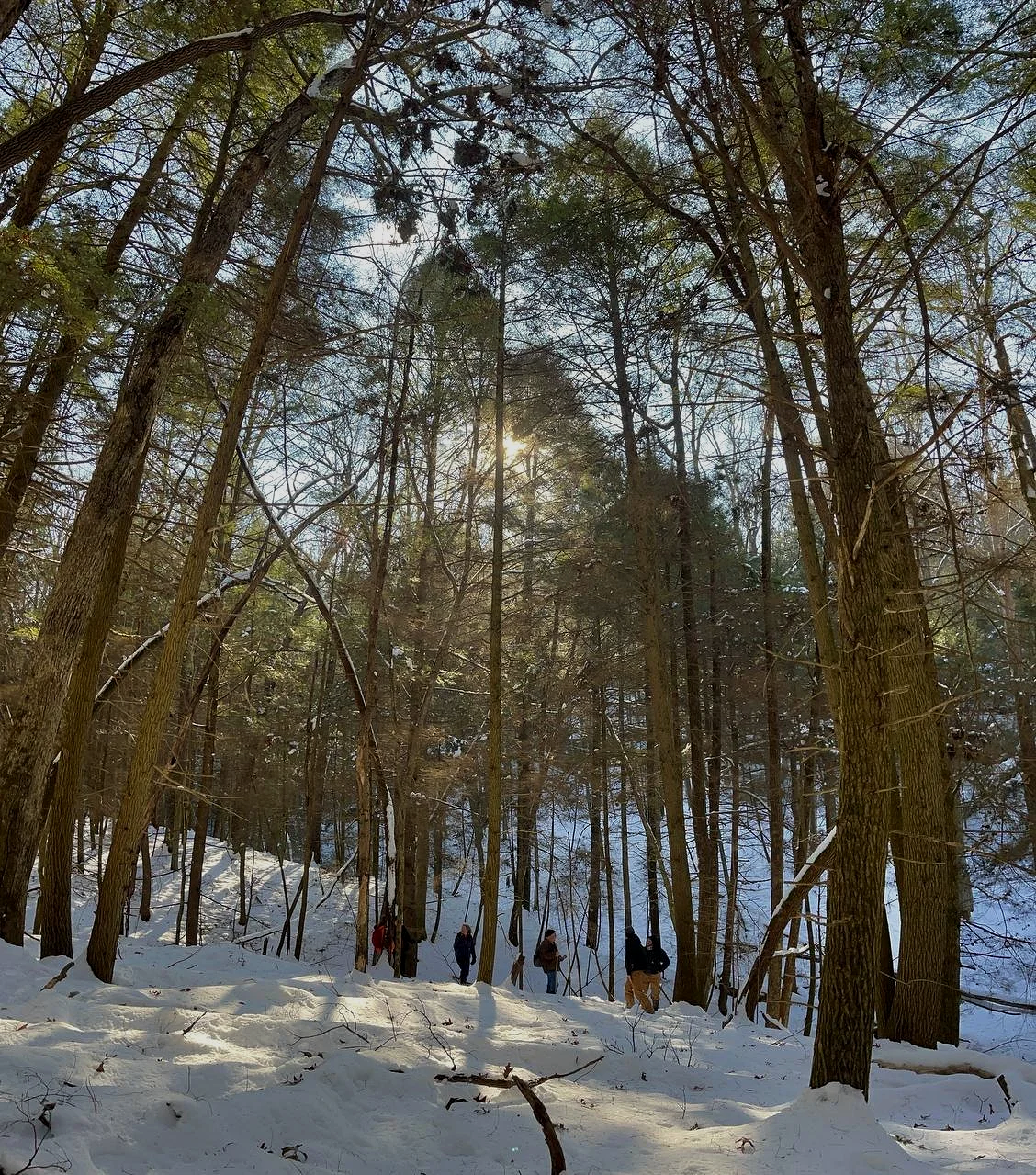
Course Focus: Identifying eastern deciduous hardwoods in the winter season through a multitude of distinguishing characteristics, including twig-bud morphology, bark textures, fruit, habitat/setting, and growth form/habit. These concepts will be introduced and reinforced both in the field and indoor settings.
Location: The education headquarters for this event will be the Appalachian Forest Museum at the Highlands Nature Sanctuary (HNS), with field trips at HNS and a single-day trip further south to the Tremper Mound Preserve located in Scioto County.
Attendance: Workshop attendance will be limited to no more than 15 people.
Leaders: The leader for this event is Brent Charette, Director of Land Stewardship with the Arc of Appalachia.
Lodging: Lodging at the Highlands Nature Sanctuary is highly encouraged since we will be spending most of the weekend here. For questions on lodging options, please email or call: Elijah Crabtree - (740) 703-2633 / elijah.crabtree@gmail.com
Meals: This course includes one shared meal. All lodges have fully equipped kitchens and dining facilities, and participants are asked to bring their own food supplies for all other meals. We will also provide local options for meals.
Cancellation policy. In case of cancellation, refunds will be granted in full up until October 12th, 2026. After that time, all payments are final and if not used, will be recorded as a tax-deductible donation to the Arc of Appalachia. Registrations are transferable. If transferring your registration to another party, please be sure to give us the recipient’s name and email.
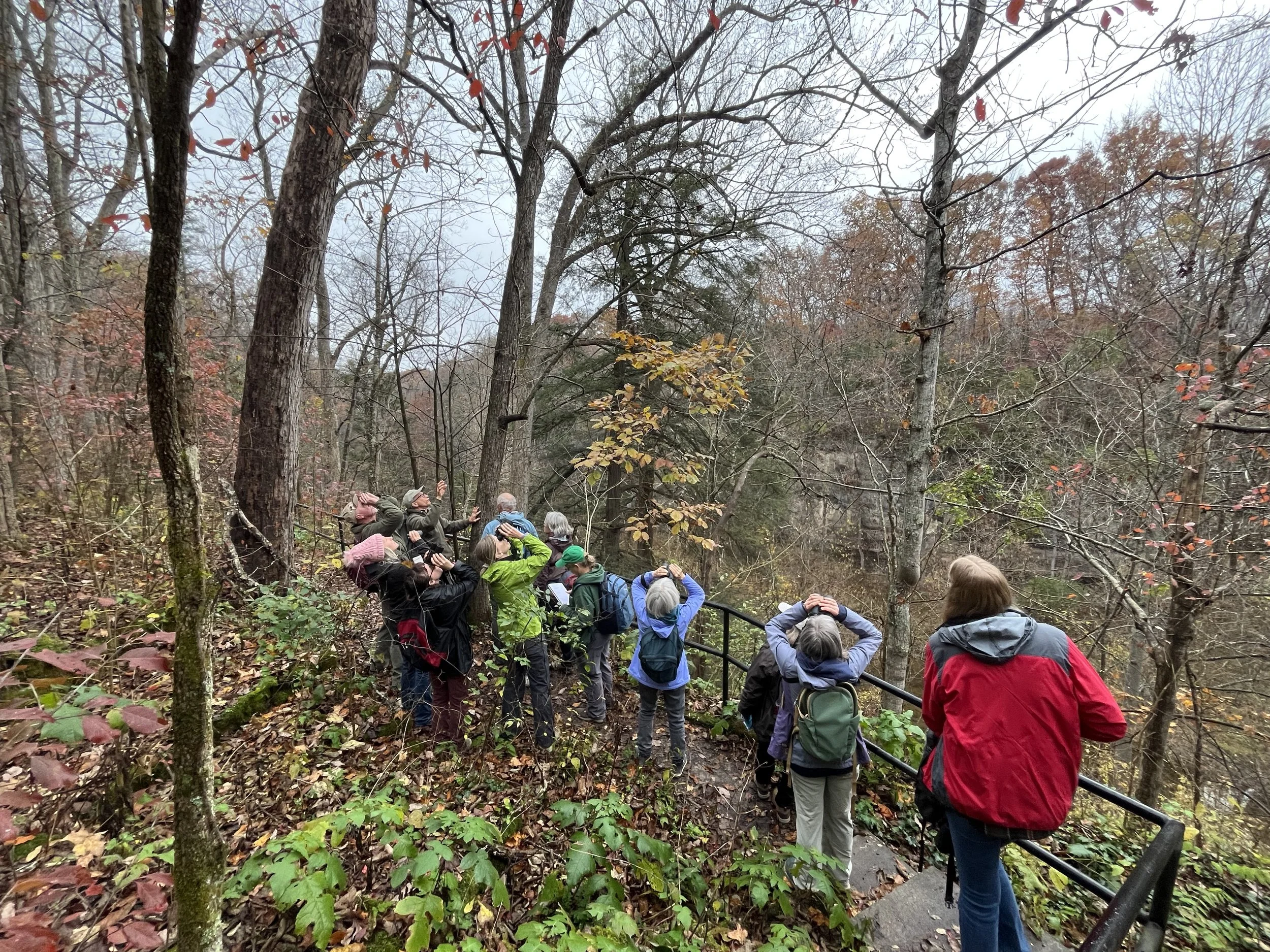
2025 Winter Tree Identification Course
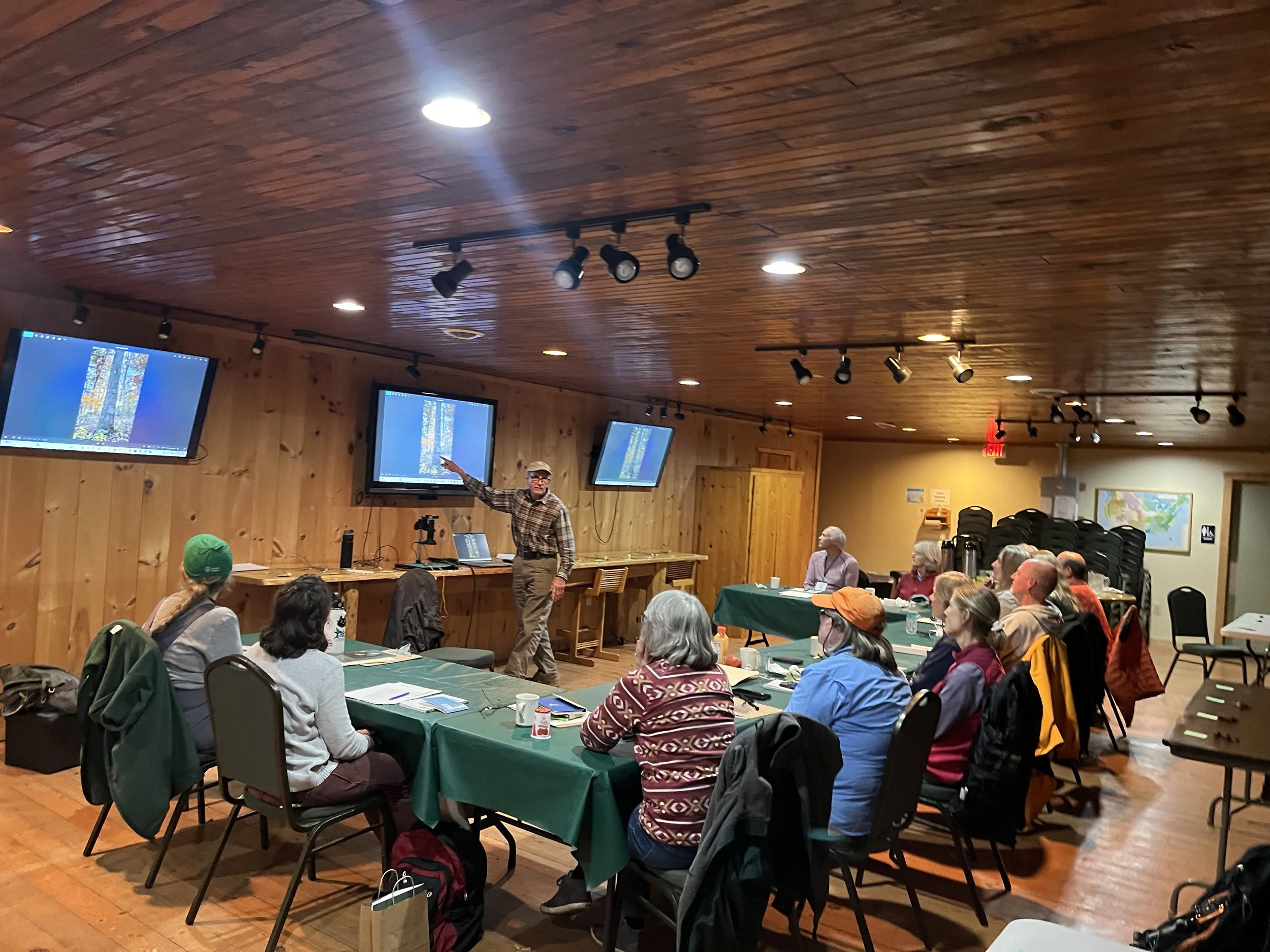
2025 Winter Tree Identification Course
What should I bring?
Cell phone for taking pictures of different tree species and important ID characteristics as your self-made field guide.
Binoculars (If you have a pair) to observe characteristics, features of trees and wildlife too distant for the naked eye.
Personal care items: Soap, shampoo, etc. (This is important if you’re staying at the Tremper Manor House)
Informal outdoor clothing for both wet and dry weather
Raingear is recommended as this course will go on rain or shine. Consider a wide-brimmed hat to shed the rain.
Water bottle and day pack to carry your lunch.
Notebook or clipboard, pen, pencils, and paper (for sketching and field notes)
Pocket money for snacks and small purchases; a credit card for dinners.
Personal care items (soap, shampoo, etc.).
First aid kit appropriate to your needs
Optional. Insect repellent for ticks, see details below. We will also bring some to share.
Cell phone coverage and the internet. Most cell phones work at the Highland Nature Sanctuary. If Wi-Fi is needed, the Appalachian Forest Museum has free guest Wi-Fi during operating hours. No Wi-Fi is provided in our lodging.
Comfort in the out-of-doors. Please be prepared for hiking in both cold and relatively warm weather, as this program is scheduled for November, which could bring us 60-70 degree days or three inches of snow! We will be spending most of our time outside in the field at multiple sites with rugged terrain. In south-central Ohio, our temperature highs in mid-November are around 55 degrees, with lows around 30-35 degrees. We encourage you to check the weather forecast before you pack.
Flying in? Participants may fly into either Cincinnati or Columbus. Both airports are roughly an hour and a half from the Appalachian Forest Museum.
Emergency Messages. Emergency messages for course participants can be left at the mainline of the Highlands Nature Sanctuary (937) 365-1935 during daytime hours. Education staff cell phones will also be provided to you.
Should I prepare for ticks, chiggers, biting insects and poison ivy? You will have minimal but possible exposure to Poison Ivy. The leaders know the plant well and will help you avoid exposure. If you do touch the leaves, washing vigorously with soap within an hour avoids reactivity in most people. If these challenges are new for you, let us know and we will do our best to orient you to them and minimize exposure. No exposure to insects is not a realistic expectation for field studies but we do our best. We have also developed a fantastic homemade repellant for flying insects, ticks, and chiggers made of essential herbal oils that is stunningly effective and 100% natural.
Please click here to learn about the considerable hazards presented by ticks and chiggers and prepare your own insect repellant that is safe to use, affordable to make, and will give you the confidence to enjoy the outdoors.
Questions or interest in making lodging reservations:
For event & lodging information:
Elijah Crabtree, NaturalistEducator at (740) 703-2633
Email: elijah.crabtree@gmail.com
Cassidy Drummond, Education Coordinator at 937-794-3360
Email: cassidy.arcofappalachia@gmail.com