20-acre Skidmore Woods
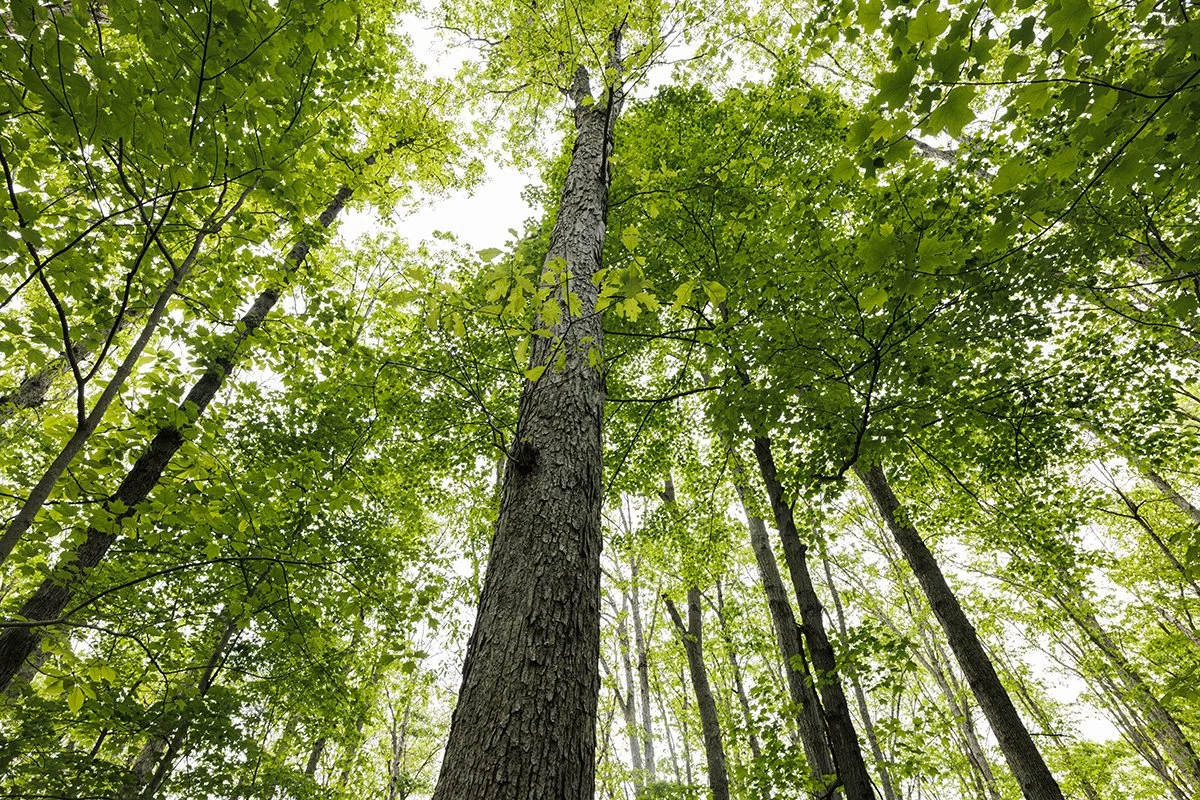
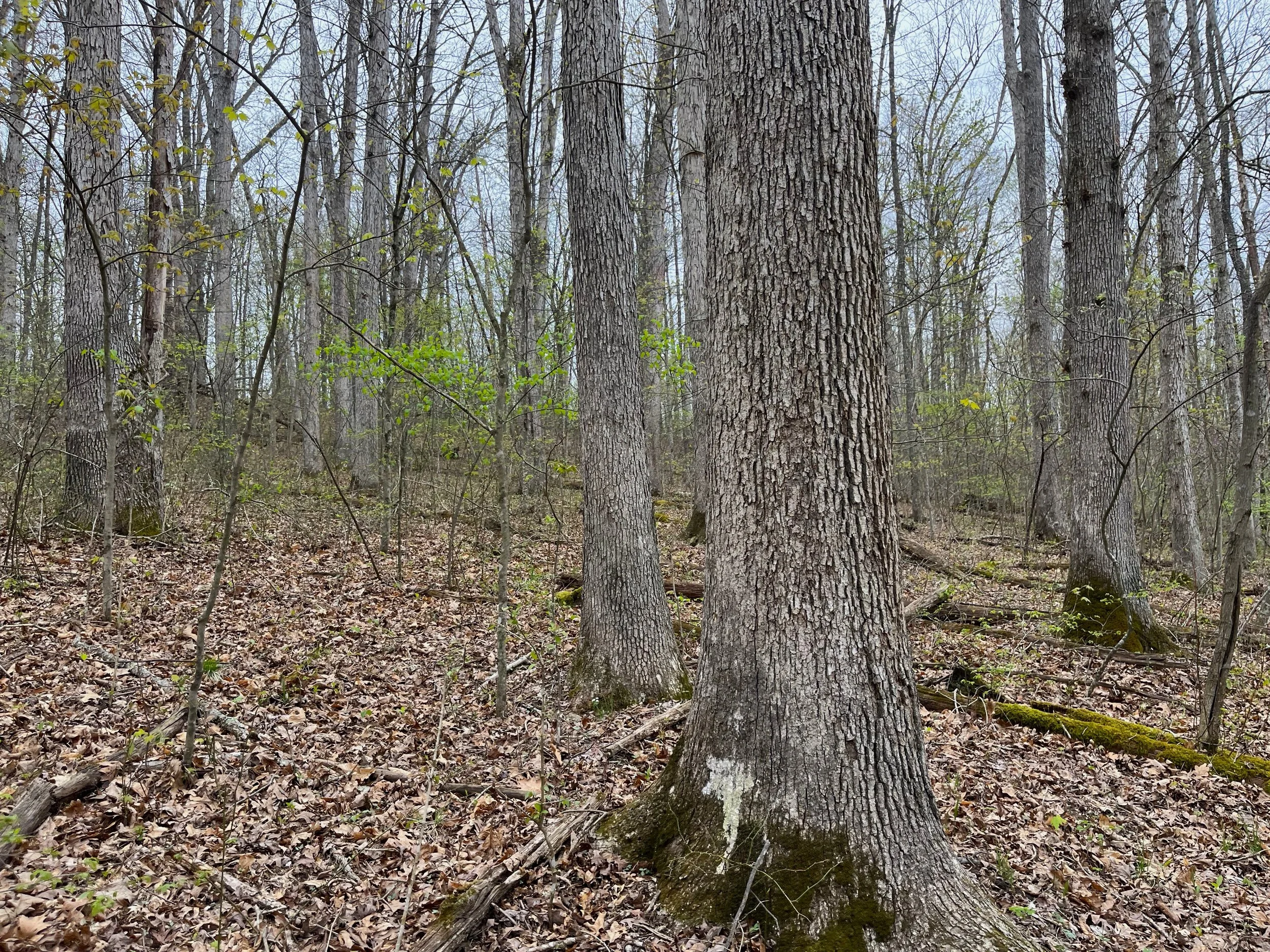
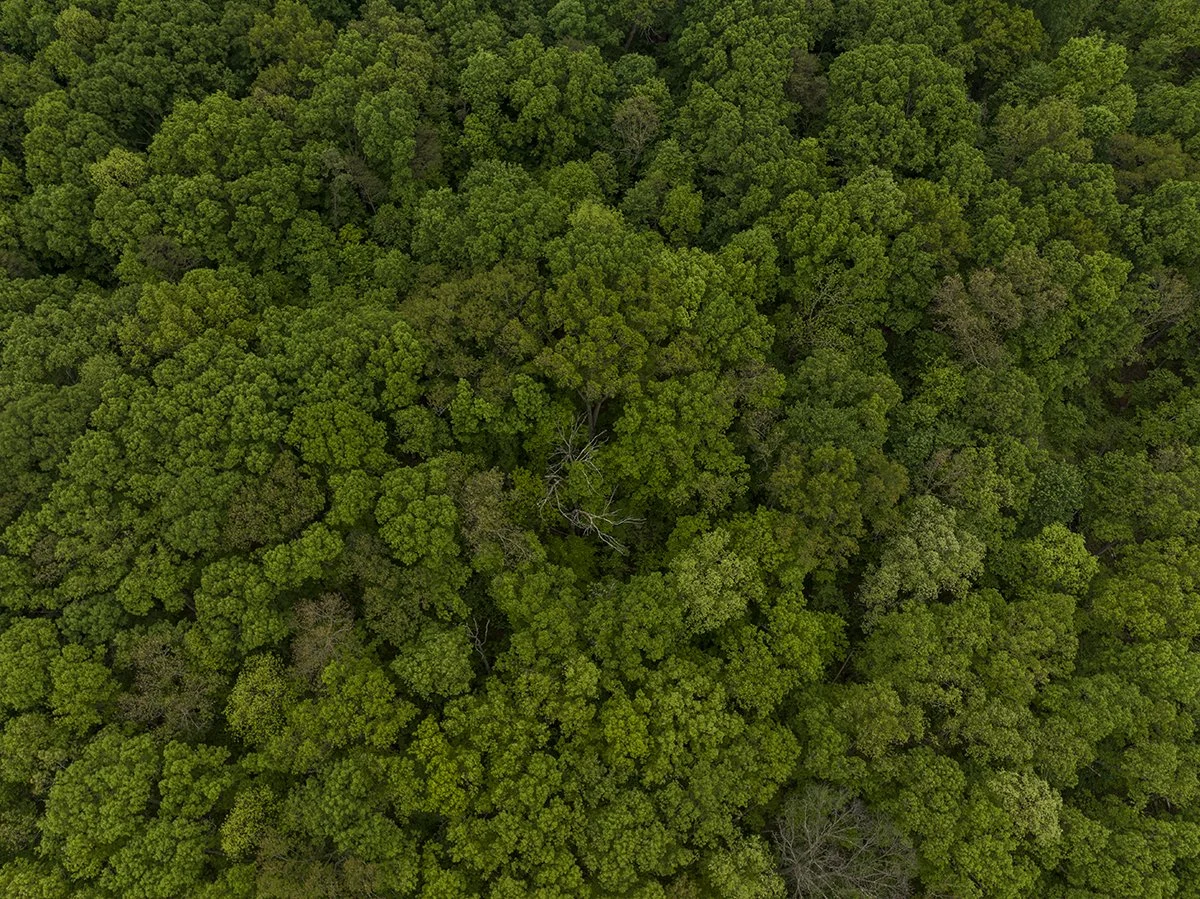
Suzanne and David Skidmore Woods Preserve provides sanctuary for a splendid mature mixed oak woods within the upper hollows of the Bear Creek watershed in northern Scioto County, Ohio. The preserve lies immediately adjacent to Brush Creek State Forest.
Preserved in Suzanne and David Skidmore’s lasting honor, this block of forest and its richly diverse woodland community are now granted the protection and sovereignty that too many of our forests never have a chance to experience. Suzanne Skidmore adored nature, particularly birds, deer, raccoons, and wildflowers. Her husband, David Skidmore, loved photography. He was drawn to photographing insects, clouds, and mushrooms of all kinds, but especially bracket fungi. Skidmore Woods is named in Suzanne and David’s honor as a living memorial that will continue forward for generations to come - the trees just getting larger and taller over time, until they return to the ground and allow a new crop of oaks to refill the canopy.
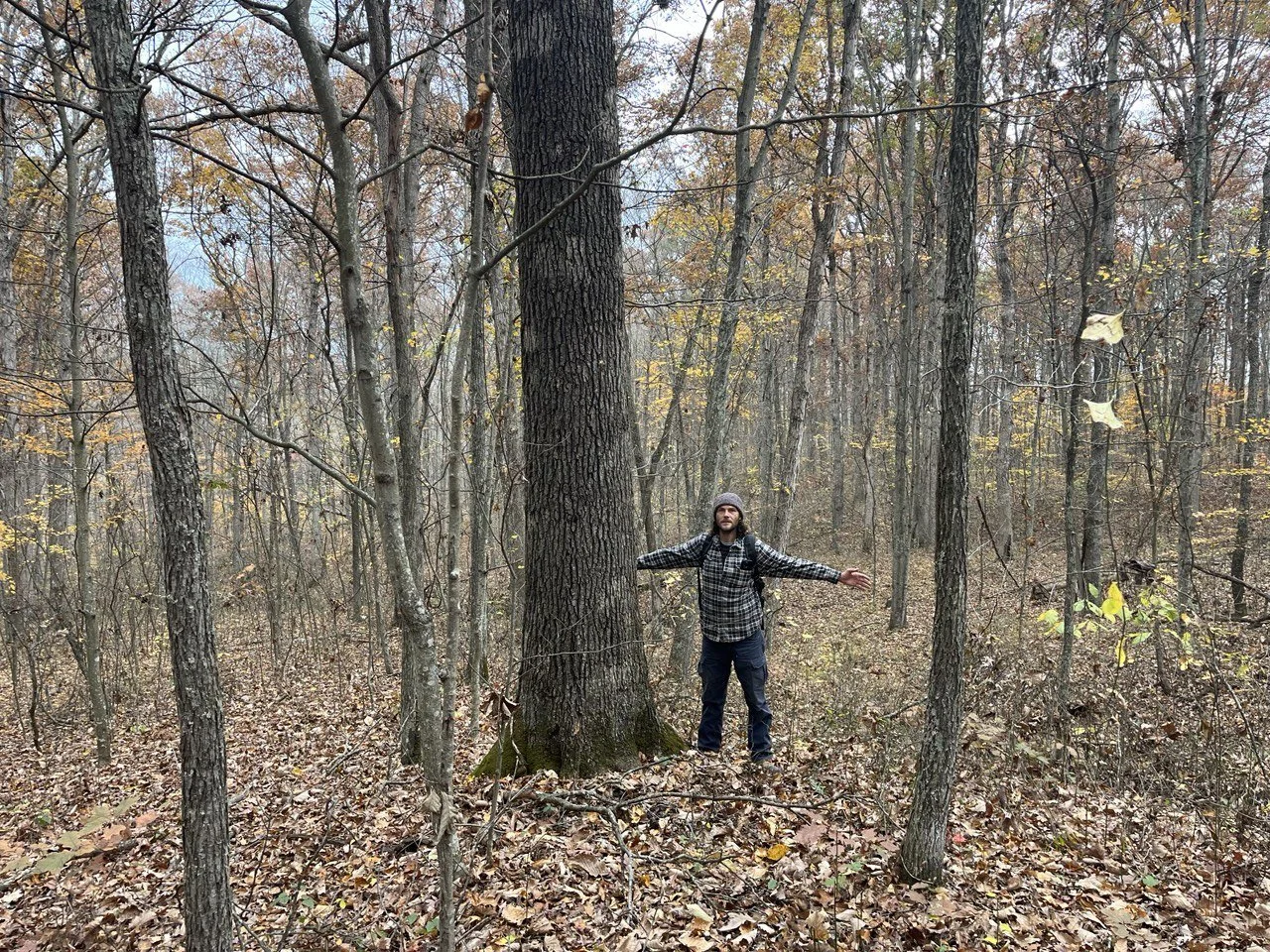
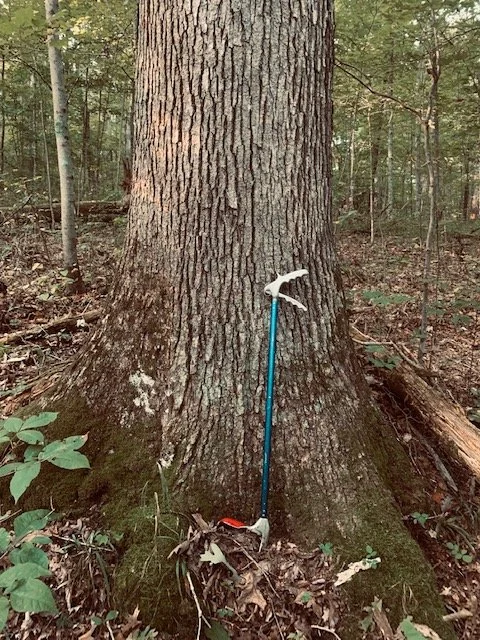
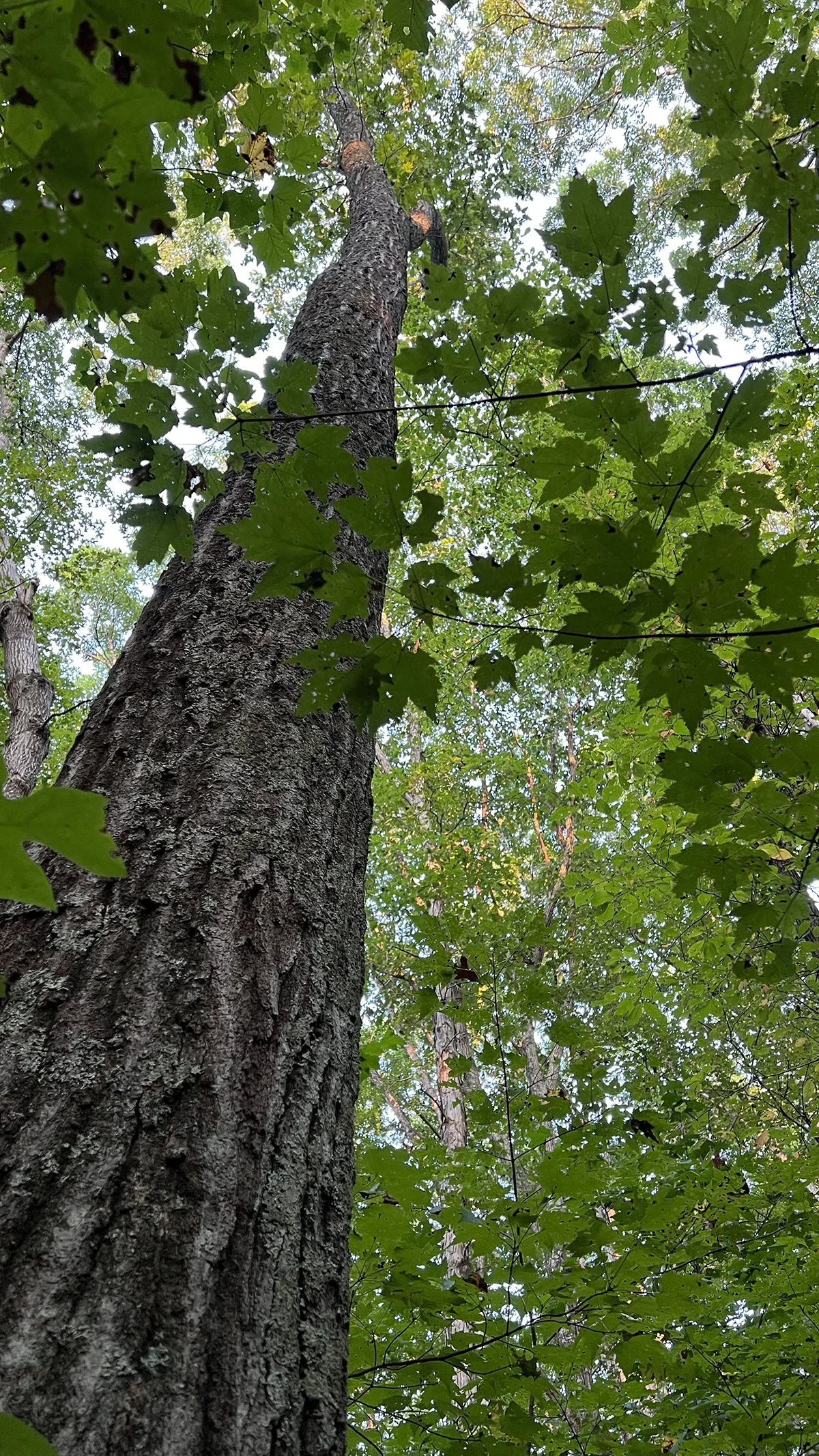
This forest’s towering oaks and the trees’ advanced age confer a distinguished presence to this site. We are speculating that the larger trees are 80-90 years old, making this a remarkably old forest in our Appalachian region. The forest certainly caught our eye, just as it had earlier caught the eye of the professional timberman, the previous owner, who was the one who initiated the sale. He shared, “This forest is just too pretty to cut, and if you are willing to buy it, then I’m willing to sell it to you.” We were delighted by his offer, and our response was “Yes!”
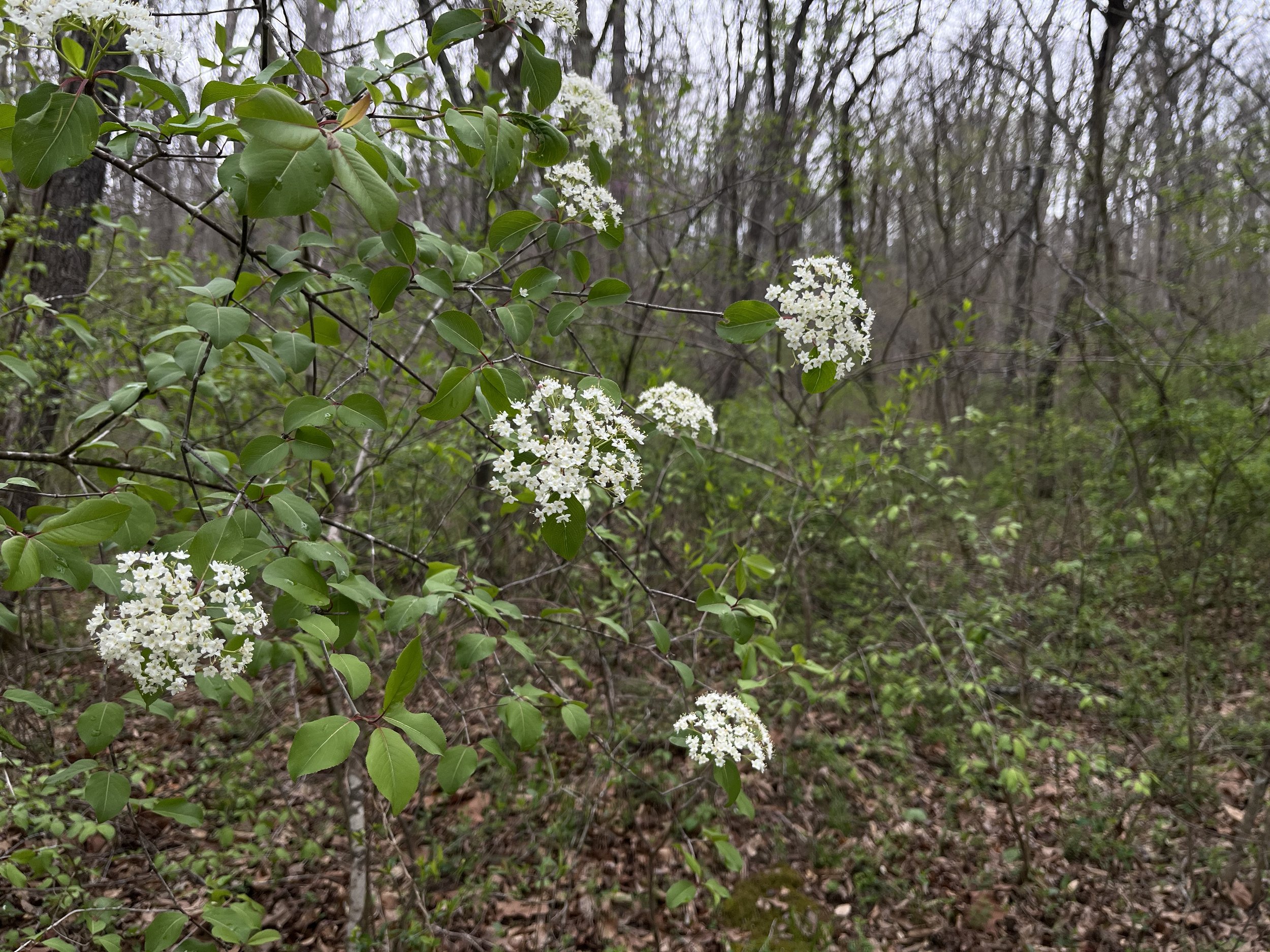
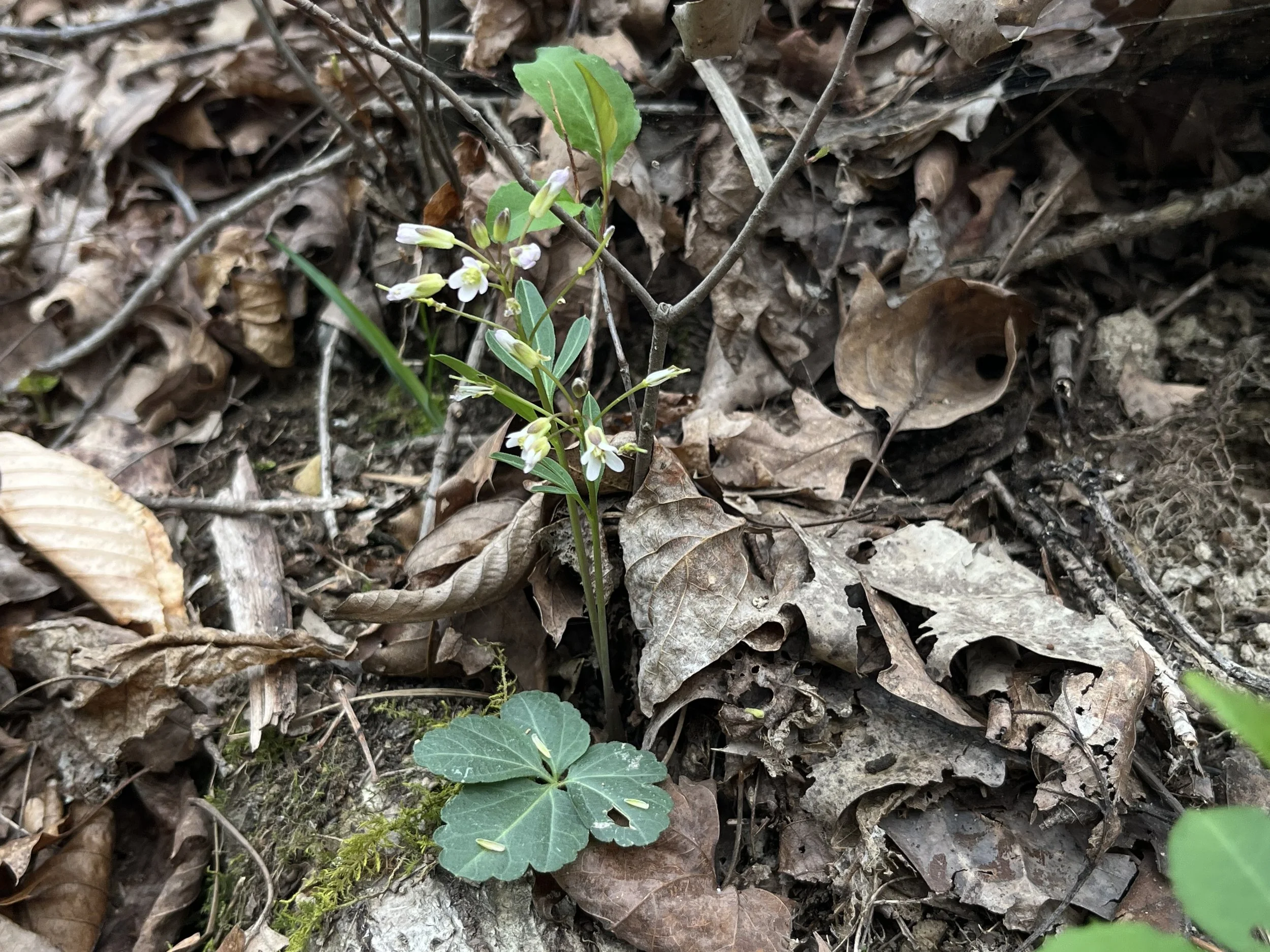
On the property are many large-diameter White Oaks, Black Oaks, and Scarlet Oaks, providing shelter over an attractive understory of Blackhaw and Arrowood Viburnums and Spicebush. Several native woodland herbs grow on the sun-dappled forest floor, the most notable being Slender Toothwort with its dainty blue-green foliage. Mature Oak-dominated forests like Skidmore Woods host highly diverse mycorrhizal communities that support some of our most charming woodland orchids, including Lily-Leaved Twayblade, Cranefly Orchid, and Putty Root Orchid.
Presently, no hiking trail development is planned for this preserve, due to its relatively small size and the lack of suitable land for parking. Access to the site will be limited to guided hikes via our educational programs. We (and the Skidmores) are happy to just let the trees grow!