

Pickett Run Wetlands & Woods at the Sanctuary
28 acres in Highland County
Total Project Cost: $331,097
Balance to Raise: $0 - THIS CAMPAIGN COMPLETE!
The acquisition of Pickett Run Wetlands and the nearby Pickett Run Woods parcel helps to fill in two more pieces of the Highlands Nature Sanctuary “preservation puzzle,” bringing the Arc one step closer to connecting Sanctuary East with Sanctuary West. Both of these properties lie in the “middle grounds” of the larger Sanctuary region, as shown in the map below. Pickett Run’s sizeable wetlands are fed by cold water alkaline springs that border Pickett Run just before its confluence with Rocky Fork Creek. The parcel includes a long stretch of corridor on Rocky Fork Creek.
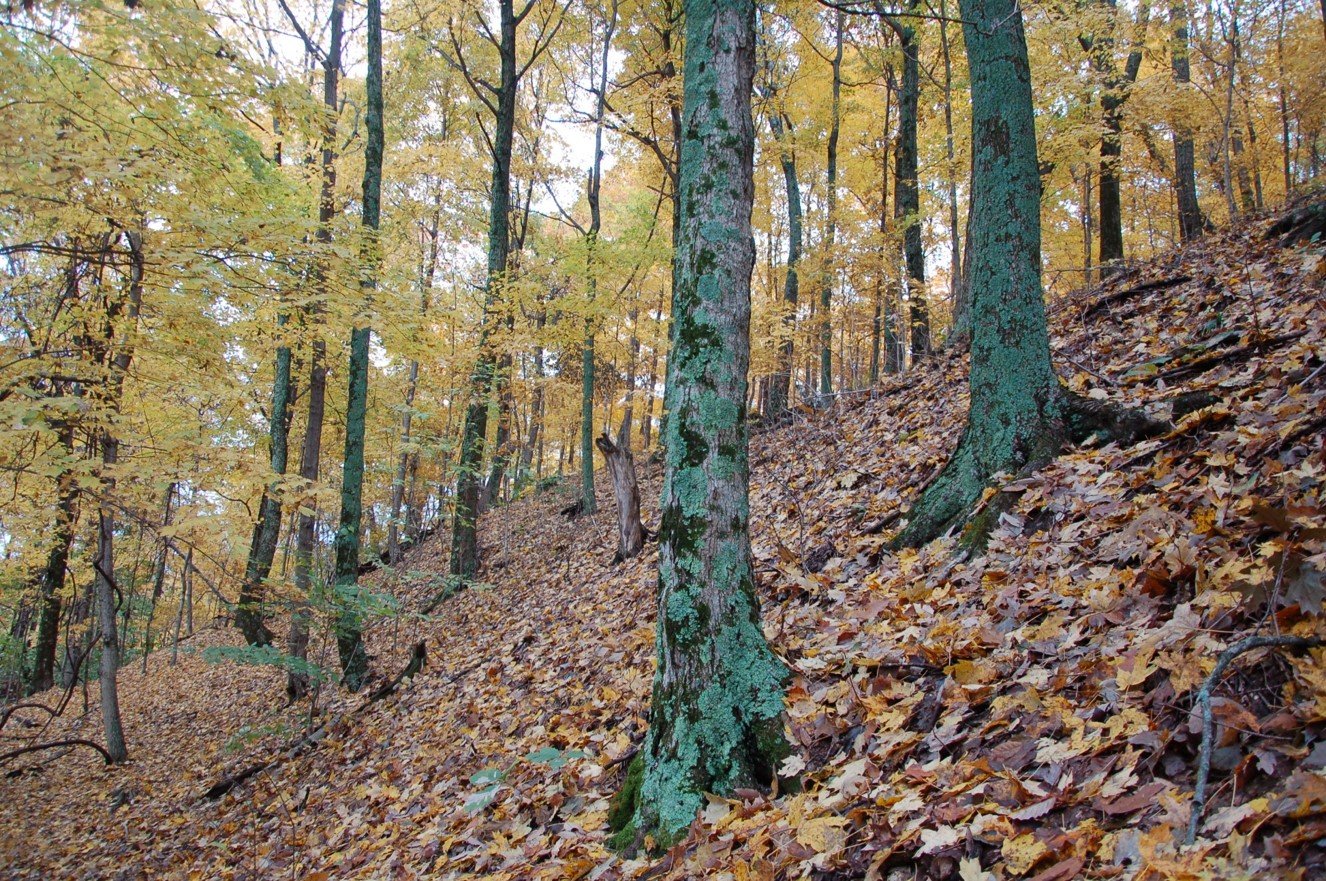
Skunk cabbage thrives in the preserve’s cool, water-saturated soils, as does the largest colony of marsh marigolds to be found in the Highlands Nature Sanctuary. Other noteworthy plants inhabiting the wetlands include swamp goldenrod, blue lobelia, and the rare Riddell’s goldenrod. The Pickett Run tract lies next to the Sanctuary’s largest contiguous forest block - referred to as “Sad Song,” in a region that borders the property to the southeast. Pickett Run Woods’ forest is young and recovering well from the last timber harvest that took place about 25 years ago. The property shelters a fern-rich ravine and has several large hickory trees as well as beech, red maple, and red and white oaks. A residence on the property was abandoned several years ago, and the deteriorating structure will be removed.
In addition to anticipated funding from Ohio EPA’s Water Resource Restoration Sponsor Program (WRRSP), the Arc has been awarded a grant from Clean Ohio which will support the property’s cleanup and trail building in the protected Sad Song region (a first!). Scroll below the photo gallery for more information. Photo left: Skunk cabbage in bloom at Pickett Run Wetlands by Tim Pohlar


Protecting Pickett Run Wetlands’ rich water resources. Pickett Run Wetlands protects not only the final length of Pickett Run as it flows into Rocky Fork Creek, but also both sides of the Rocky Fork corridor that lie downstream of its confluence with Pickett Run. Its acquisition provides the opportunity to protect more of the Rocky Fork watershed and improve its water quality.
Protecting and restoring a rare wetlands. Pickett Run Wetlands protects 2.98 acres of wetland habitat, a habitat that is quite limited and uncommon in this region. Restoration activities planned for the wetland areas include managing invasive species, removing trash and dilapidated buildings, building an earthwork to redirect, then retain, surface water in wetland areas, and planting to supplement existing wetland species in the floodplain.
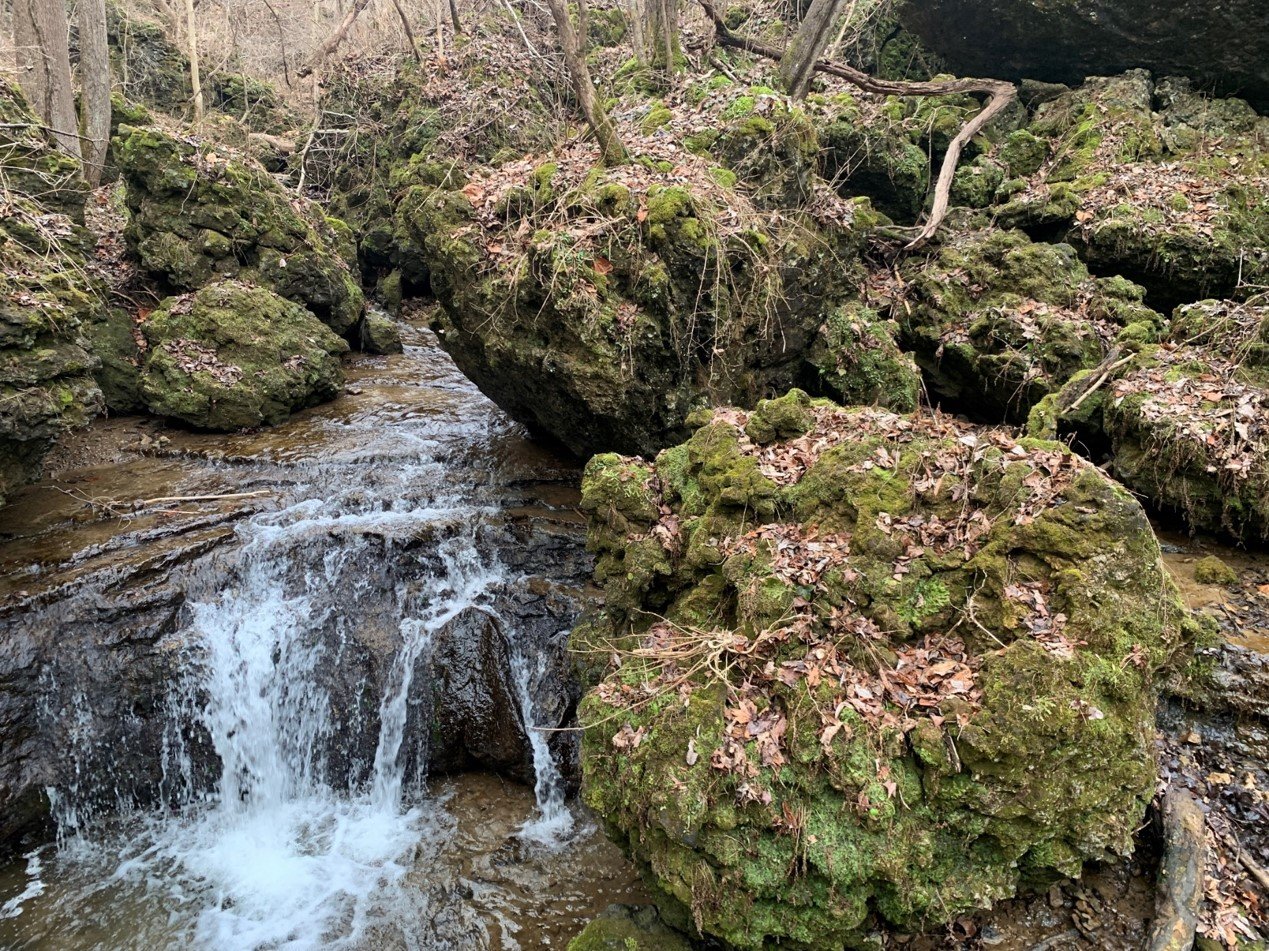
Visitor Services Planned. The Arc plans to install a trailhead parking lot in the footprint of the existing structures at Pickett Run Wetlands and build a 2.3 mile trail that will take visitors into the Sad Song region of the Highlands Nature Sanctuary. (Clean Ohio helped purchase Sad Song in 2003, the Arc’s very first Clean Ohio project!) Sad Song protects the largest contiguous forest block within the Sanctuary, encompassing both the main channel of Sad Song Creek and the two large forested hills that drain into it. Sad Song Creek is a spring-fed cold-water creek that is lined with limestone bluffs and winds around large slump blocks. The creek is bordered with an impressive density of karst-country spring wildflowers, mosses, liverworts, ferns, and woodland sedges.